
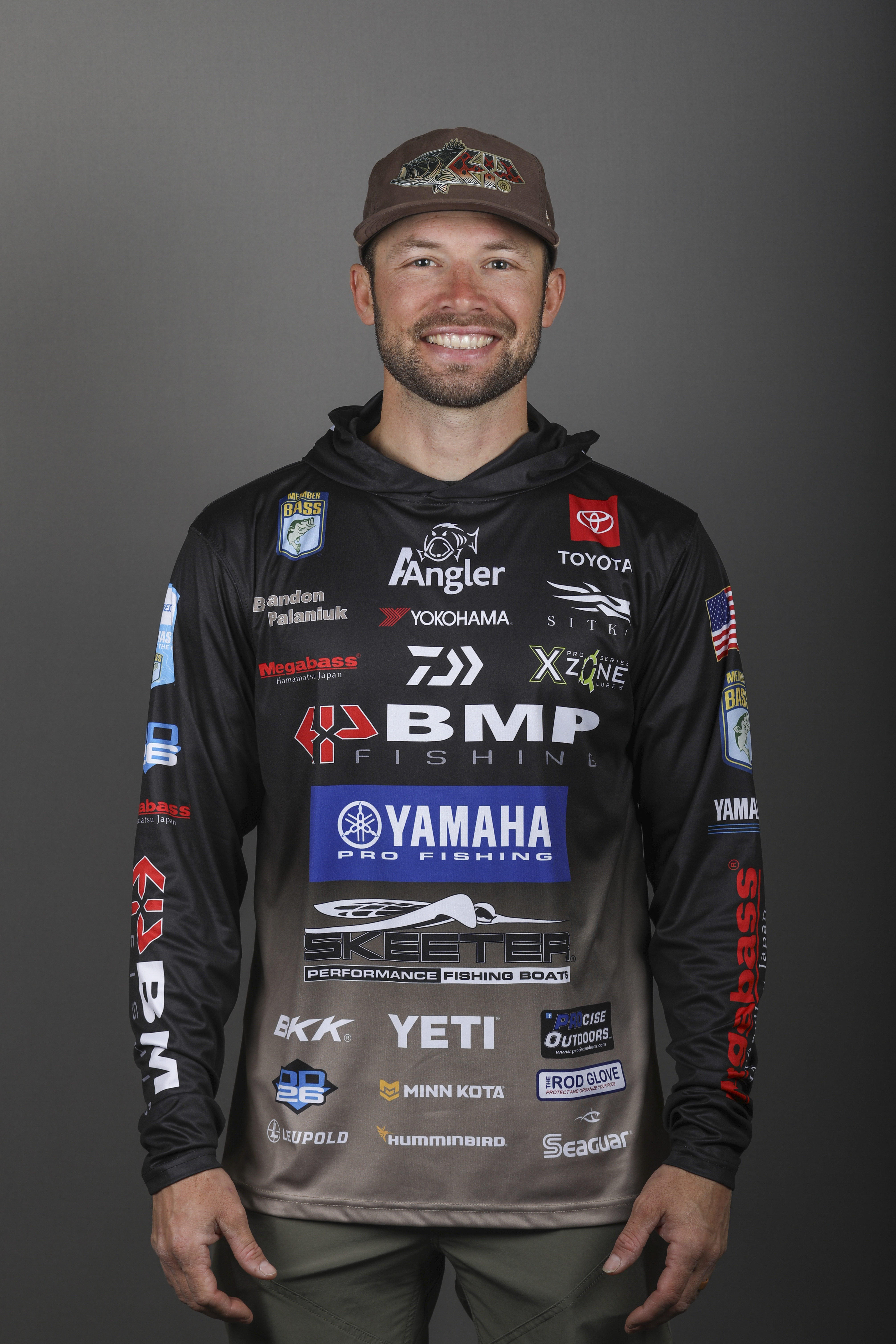
Even before I met my wife, Tiffanie, I knew that I wanted to have a family. I also wanted to spend as much time with them as possible. You might say that was putting the cart before the horse, especially since I didn’t know what that family would look like or how they’d travel with me, but it was just an unshakable feeling.
Before I could consider kids of my own, I needed two things: a reliable partner with the same goals and beliefs and an ability to support the lifestyle we wanted to share. That meant not just getting on the Progressive Bassmaster Elite Series, but being competitive out there. I had to invest just about all of my energy into catching as many bass as I could.
I met Tiff unexpectedly after my first year on tour, and as she’ll tell you, things developed very slowly. I joked with her (and her mom) that it was a 10-year plan, and the truth wasn’t far off that mark. She can tell you the exact length of the relationship, but it was something like nine years, 11 months until we got married. Yes, it was slow, but I think that was good. I’d been so focused on myself and catching bass since I was 8 years old that I had to switch gears and learn to process the changes and find balance.
Along the way, we took some critical steps, like getting our first RV in 2017. Kids came later. One piece of advice that I can give any young angler is not to fall into a particular societally dictated timeline. If we’d done it the way some people said it had to be done, we would’ve had kids earlier, but we knew that we couldn’t be ready until we could all travel together. I wanted to be stable enough in my career that Tiff didn’t need to be home working a 9-to-5.
It was a loose plan, but it centered on being around my family as much as possible. I had a fear that as much as I loved the sport, if we didn’t do things correctly, my kids would grow to resent it.
Each family needs their own recipe. Ours is partially dictated by the fact that we choose to reside in Idaho (my kids call it “home home” as opposed to “camper home”). Other than the Japanese pros, almost no one on the Elites has a longer commute. If you live in the South, it might not be so critical to have your family on the road. Nevertheless, I love that my kids want to come to blastoff and weigh-ins. That works for us. Find your own balance, and don’t worry about what others are doing.
I sometimes hear the complaint or comment from my fellow veterans that it’s unfair that the unencumbered young guys get to spend so much time on the water. My response is that’s just part of the game. I suppose I could spend as much time fishing now as I did when I was 21, but at what cost? I can live with my decision to spend fewer days on the water. When you start off in this business, you don’t have as many obligations with family or with sponsors, and that’s a good thing. The eventual ability to make those choices without fear of repercussions is a sign of stability.
That doesn’t mean you won’t have to make sacrifices. Our schedule is unforgiving. You can’t miss a tournament just because there’s a wedding or a birthday. I know this firsthand. When my daughter Kora was born in 2022 — in the midst of my second AOY campaign — I wanted to do everything I could to be there for the birth in Idaho, but I also made it to Championship Sunday at Pickwick. Tiff and I made the decision together that I’d fish as long as I could and then try to get home. Once the tournament ended (and a week after Kora was due), I walked offstage, and Kyle Vandever, who travels with us to produce my YouTube show, and I started on the 30-plus-hour drive home.
We didn’t make it there on time and ended up watching the birth on FaceTime from eight hours away. It wasn’t ideal, but it proved to me that we can weather those kinds of disappointments. I am clearly married to the right partner.
Despite those occasional letdowns, I love most aspects of our life. I love that my kids don’t know this isn’t the way all kids live. After all, their friends like the Jocumsen kids and the Atkins kids are doing the same things. But every day we have to make choices that fit our particular set of circumstances. We do our best, and we truly hope that when they are old enough to understand that this is not normal, they end up seeing their atypical upbringing as a blessing. If that’s the lens through which they view our time together, then I’ll consider myself exceptionally lucky.