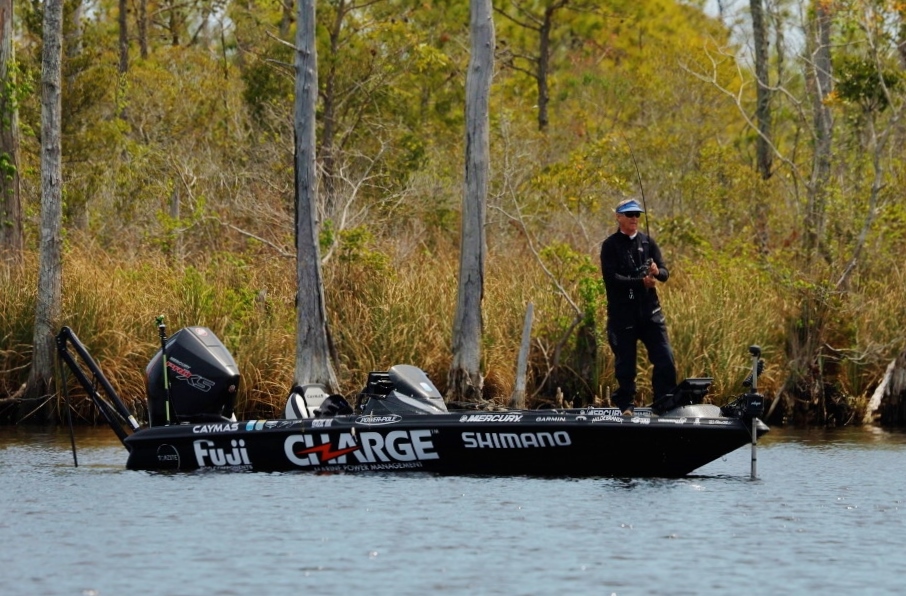
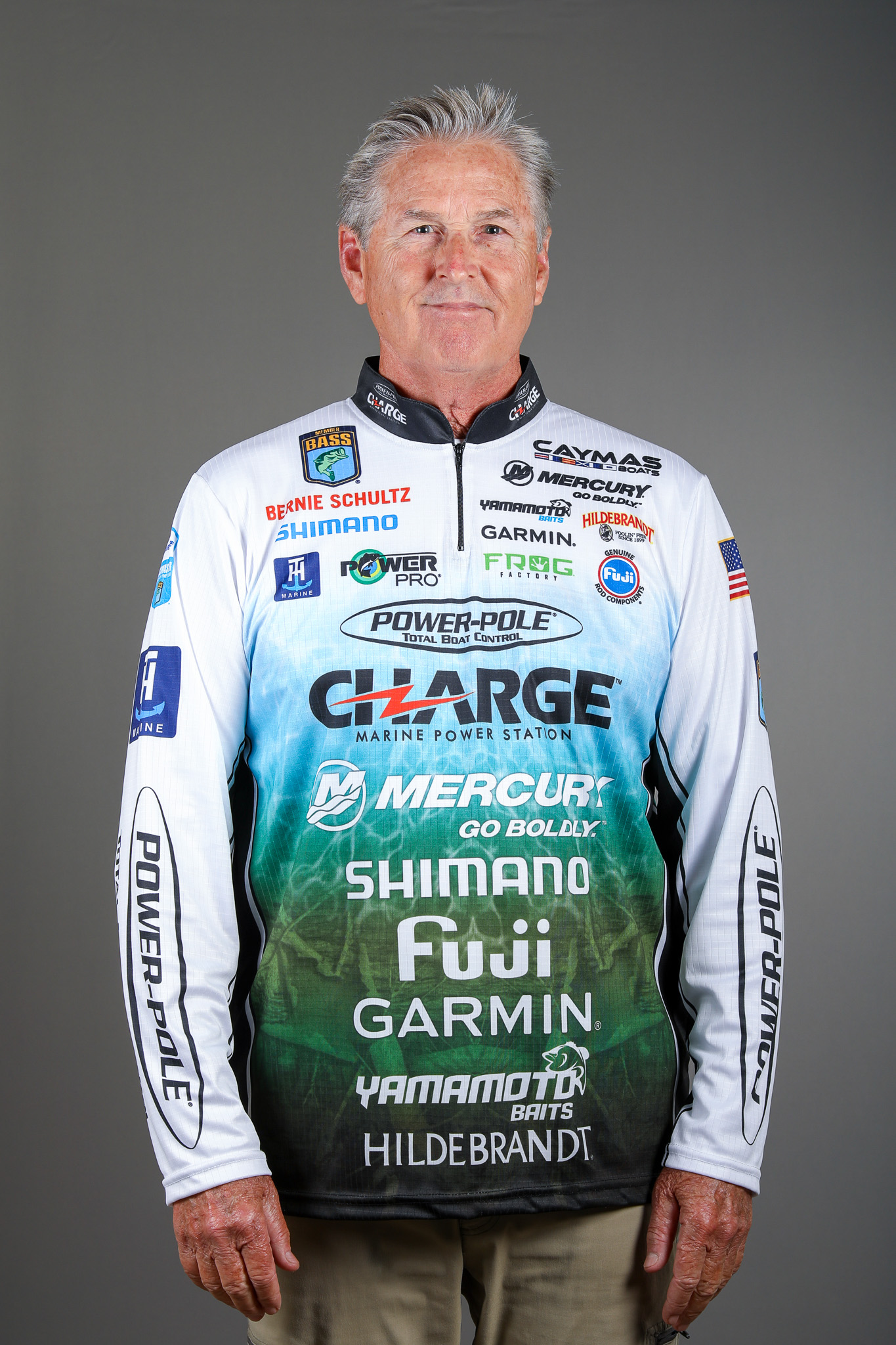
It’s fall, and bass are on the move. Where to is the question.
As water temperatures decrease, baitfish activity will increase. And that will trigger bass to begin their fall feed. As baitfish gather in tight schools, they become more vulnerable to predation. Find them and you will find bass.
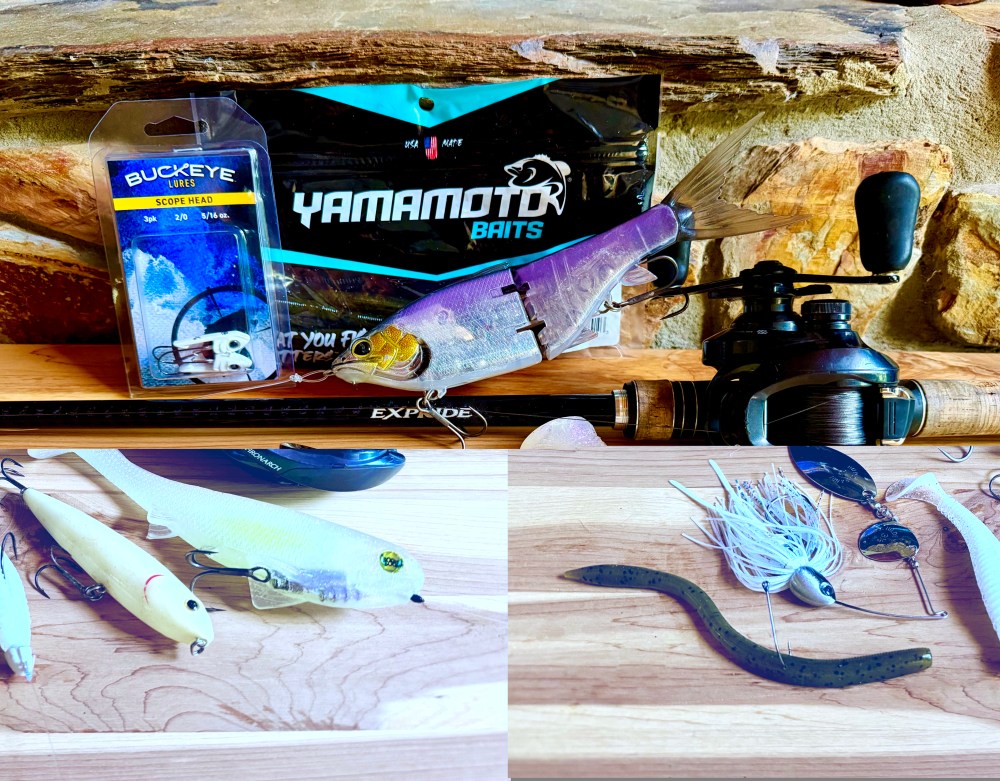
It’s a favorite time of year, second only to spring. It’s when the bite window opens wide, occurring throughout much of the day. It’s also when the fish are susceptible to a wide range of lures and techniques. Topwaters, jerkbaits, swimbaits, glidebaits, blade baits, crankbaits and a variety of soft plastics can all produce in the fall.
While figuring out the best lure for the situation is important, what’s more critical is knowing where the baitfish are located.
Are they on the surface or swimming below? Are they in the backs of creeks or on long, tapering main-lake points? Perhaps they’re gathered along the deeper edges of major grassbeds or holding on shellbeds. Any of these places can hold concentrations of baitfish in the fall, and that is where the bass will find the easiest opportunities to feed.
What’s on the menu
Depending on the water you fish, the primary forage may vary. In my home state of Florida, we have a range of baitfish species — including golden shiners, threadfin shad, bream, bluegill, needlefish and others — and any could be the target for foraging bass.
Moving farther north, shad, herring and alewives might play. The point is, finding where those various bait types gather increases your odds of catching bass. Whether it’s at a certain depth or general area, once located, then it’s a matter of figuring out what will fool the bass. Will lures that closely match the hatch work best, or will something completely different get their attention?
Bass are curious by nature. And when they’re on the feed, they can be voracious. They’re so fired up, just about anything can provoke them. Other times, however, they may be so focused on the bait they’re chasing, almost nothing fake will fool them. To score, you may have cycle through a variety of baits, even different sizes and/or colors of those same baits. But that’s part of the fun … figuring out what triggers them.
Lures that work
During autumn, my bait selection is broad. It includes everything from topwaters to slow-falling soft plastics and numerous others in between.
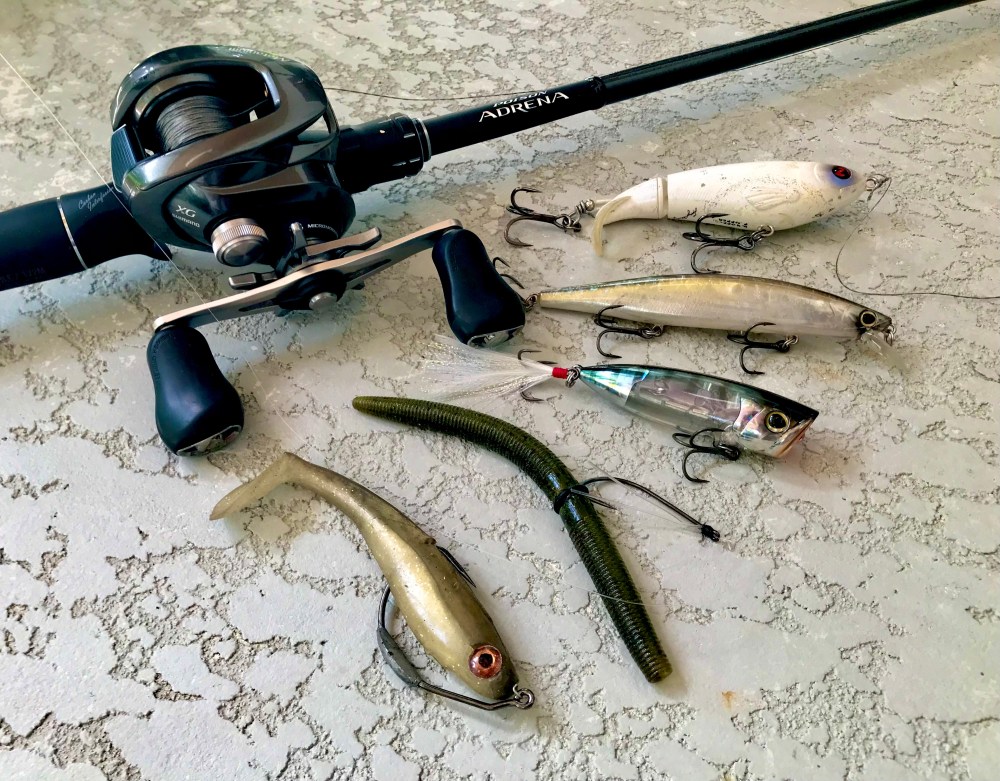
For bass actively schooling on or near the surface, topwater lures are a great choice. Walking baits, poppers and ploppers all have strong potential. My brand preferences for walking baits include the Rapala Skitter Walk and Skitter V, Heddon One Knocker Spook or Reaction Innovations Vixen. Another killer is the Shimano TP Orca. As for poppers, I like the original Rebel Pop-R and Shimano World Pop. When I’m throwing plopper-style lures, it’s usually a River2SeaWhopper Plopper or Berkley Choppo.
Depending on the conditions or the fish’s immediate preference, any of these lures could work. The same is true for jerkbaits.
I like the Shimano Zumverno in both sizes, as well as their World Minnow. They come in numerous baitfish-matching patterns and they feature Flash Boost — an internal Mylar strip that flickers continuously, even when the lure is at rest. That’s true for the World Pop, as well. Again, choose those that match the size and coloration of the bait the bass are keying on.
In many cases, soft-plastic jerkbaits are a better choice. The two I prefer are the Zoom Super Fluke and Yamamoto D-Shad. Each has it’s advantages, so it’s a matter of elimination to figure out what they want on a given day. As for colors, I rely on white and various shad-like patterns.
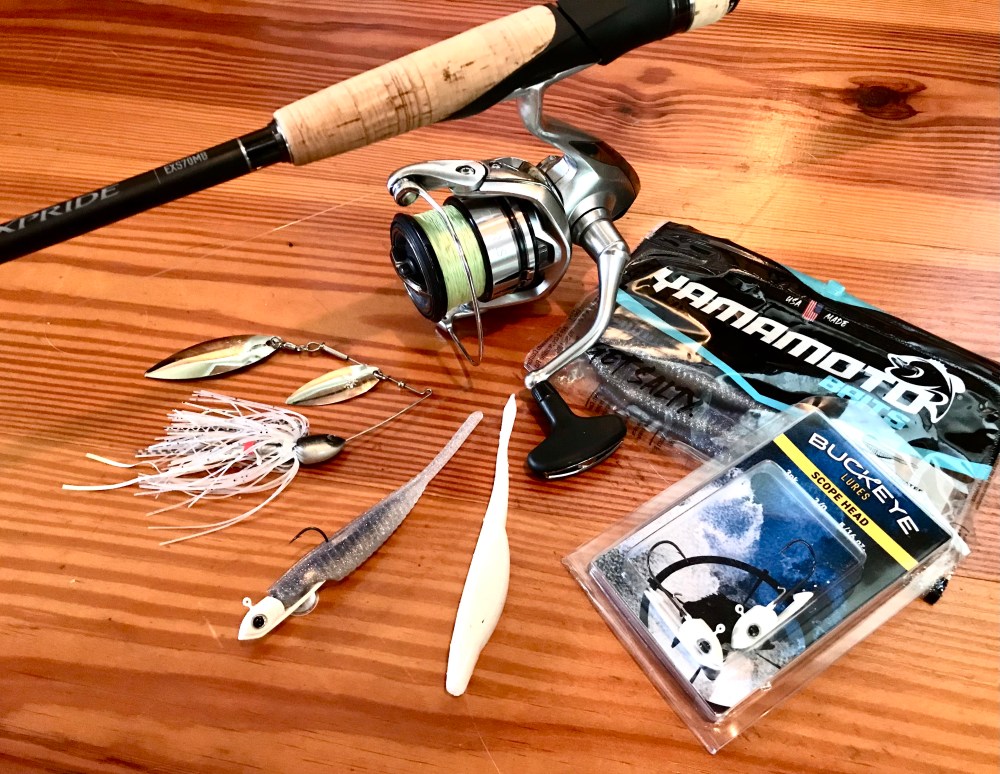
Bladed baits can also produce. During an FLW Golden Blend Championship on Lake Chickamauga in Tennessee, I finished second behind my travel partner, Jim Bitter. Together, we figured out how to catch schooling bass by matching the blade size of our spinnerbaits to the overall profile of the shad the bass were feeding on — a No. 4 1/2 Hildebrandt willow leaf, to be exact. This was right when Hildebrandt introduced my Tin Roller spinnerbait.
The bass were schooling by the hundreds, but they were so keyed on the baitfish, they were nearly impossible to fool. Jim actually figured out the bite by slow rolling the lure through the thickest schools of shad. As the school parted, it triggered the bass to strike the bait. Consequently, we dominated the competition, simply because we had the precise blade size to match the hatch.
So don’t discount spinnerbaits, or buzzbaits, bladed jigs and even fluttering spoons for that matter. Anytime the bass are aggressively schooling on threadfin shad, these could produce. If they’re after large gizzard shad, glidebaits and swimbaits are viable options.
Don’t forget crankbaits, especially lipless styles like a Rat-L-Trap, Jackall TN60 or something similar. They allow you to fish fast and reach long distances with ease, and they can be fished throughout the water column. Just match the profile and color to the baitfish the bass are chasing.
Fall feed summary
These are only some of the lures I rely on to fool schooling bass. Obviously, many others will work. What’s important is having a broad selection to choose from and the confidence to use them. Then it’s only a matter of being where the baitfish are thickest.
Search the backs of coves, small creeks and ditches — anywhere water may be entering your lake, reservoir or river. Also check along the outside edges of major grassbeds, near points or pockets. Shellbeds, shoals and riprap are also likely to hold pods of baitfish. Wherever you find them, they should be grouped in tight schools.
Find that and you’re sure to find hungry bass nearby.
Follow Bernie Schultz on Instagram, Facebook or through his website.