In the previous installment, I spoke on the importance of good decision-making as it relates to pre-tournament preparation, official practice and actual competition. How compromising any of these reduces your chances for success.
I also confessed to the many mistakes I made during Bassmaster Elite Series competition over the past two years, and how it’s cost me.
I would now like to share two particular instances involving critical decision-making. One of which occurred this past season, the other from several years ago — each having dramatically different outcomes.
Misdirection on the Big O
When the Elite Series visited Lake Okeechobee this past spring, I found a way to screw up a solid game plan.
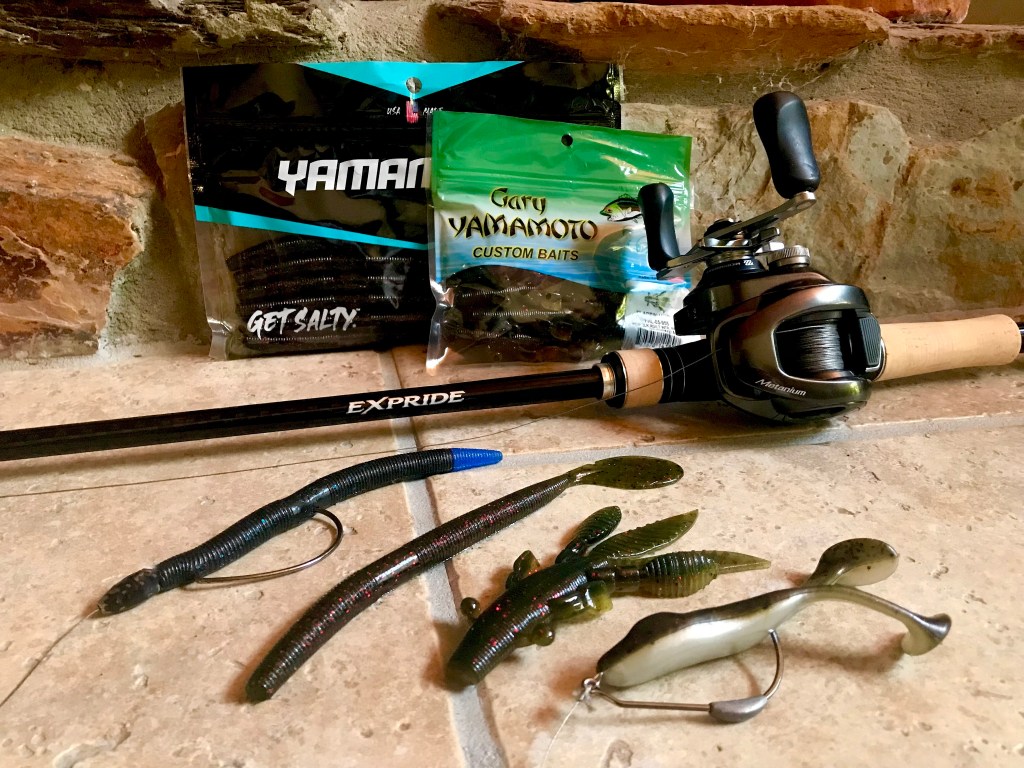
During practice, I patterned fish using an assortment of Yamamoto soft plastics in two key locations. Unfortunately, they were at opposite ends of the lake. With a span of 35 miles from north to south, it’s more than an hour of runtime round-trip. If you try to fish both and your timing is good, it can work out. But if you’re off just a touch, the results can be disastrous.
The spot I found on the north shore was ideal. It featured a mix of vegetation in clear water and it was holding good numbers of fish. My southern spot, on the other hand, held very few fish. But the bites I got were much bigger.
When tournament time came, I decided to start on the northern stretch, where the numbers were. When I arrived, I found numerous other competitors scattered throughout the flat. Not wanting to draw attention to my key area, I dropped the trolling motor just outside and gradually worked my way in. The bite was ultra-slow, and the minutes quickly turned to hours. Concerned with filling out a limit, I moved to another part of the flat where I managed to boat a number of 12-inchers — all carbon copies of each other.
By that time, it was after noon. Having a 3 o’clock check-in time, I had to make a decision — either go back to my starting spot and hope they turn on or make the long run south to try for bigger fish. I decided to run south. Thirty-five minutes later, I arrived to the bank that produced several quality bites in practice.
Fishing slowly and methodically, I tried to be as thorough as possible. But after an hour with nothing to show for the effort, I was forced to make the long run back to check-in.
In the weigh-in line, I noticed several of the guys who fished around me in the morning — all with solid bags of fish. Stunned, I asked them when they got most of their bites. Each said, in the early afternoon … which was during the time I spent running south.
Frustrated by the fact I had abandoned a key area prematurely, I decided to commit to it fully the following day. And by weigh-in time, I had culled to a solid 16-pound stringer — one of the better creels of the day.
While it was a good save, all I could think about was the missed opportunity on Day 1, when I made the decision to leave my most productive area. Yeah, had I timed it better and caught a couple of big fish down south, it would have been a good decision. But as it played out, it was not.
Sort of like going for it on fourth and long in football. When it pays off, you’re a hero. When it doesn’t, you look like a fool.
When things go right
Several years ago, the tour visited Lake Murray in South Carolina. Although known for its number of big schooling fish, our timing was such that there was still some spawning activity. I practiced for both, hoping one would serve the other as a backup.
On the first morning of competition, I ran to my best schooling point. The bite wasn’t fast, but I managed to put a couple of 4- to 5-pounders in the box. When the sun got up, I switched to sight fishing for spawners and by day’s end, I had a solid 20-plus-pound bag. Day 2 went pretty much the same, and that placed me midway above the cutline with an opportunity to fish on the weekend.
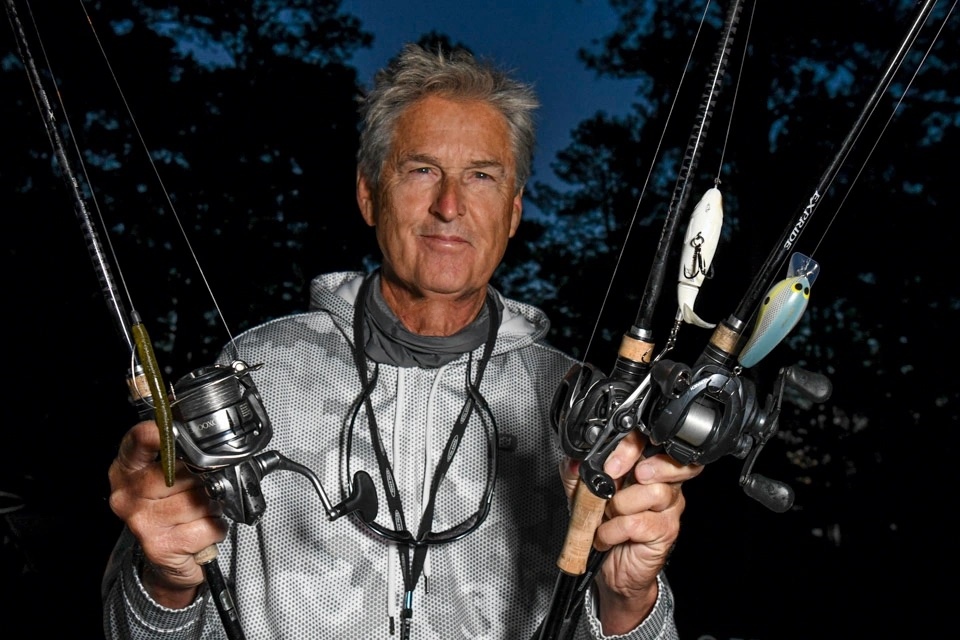
Day 3 brought low skies with a mild, westerly breeze. Seeing that, I decided to roll the dice and try topwaters on shallow, riprap banks. My lure selection included a Shimano World Pop and a Whopper Plopper. It was the best decision I made the entire year. By day’s end, I boated nearly 28 pounds of largemouth and vaulted my way into the Top 10.
On the final day, I tried repeating with the topwaters but the conditions had changed and that bite was gone. I moved to several nearby points to try for schooling fish, but that, too, proved nonproductive. Seeing a nearby bridge, I decided to try there. Upon arrival, I found a school of 3-pounders chasing large shad along the riprap. Within minutes, I boated a limit weighing 15 pounds by throwing a large Shimano Macbeth squarebill crankbait.
After maxing that out, I decided to try several of the bigger bedding fish I marked during practice. But as I trolled from one bed to the next, it appeared as if they all were gone.
Considering my next move, I picked up the Whopper Plopper and launched it parallel to the shore over a shallow, sandy flat. As I retrieved the lure closer, I noticed a school of 4- to 5-pounders in the distance, tracking it back to the boat — none willing to fully commit. Rather than luring them closer, I paused the bait and immediately dropped my Power-Poles.
As I watched, the fish eventually lost interest in the lure and casually swam back in the direction from which they came.
Slowly creeping the boat forward, I spotted a submerged boat ramp with a washout at its end. The entire school was sitting on the drop and in the hole.
One by one, I picked them off with a Yamamoto Senko. And within 30 minutes, I culled up to another 20-pound stringer. It was one of those tournaments where nearly every decision proved to be a good one, and everything seemed to go my way … all because of simple bait changes in different situations.
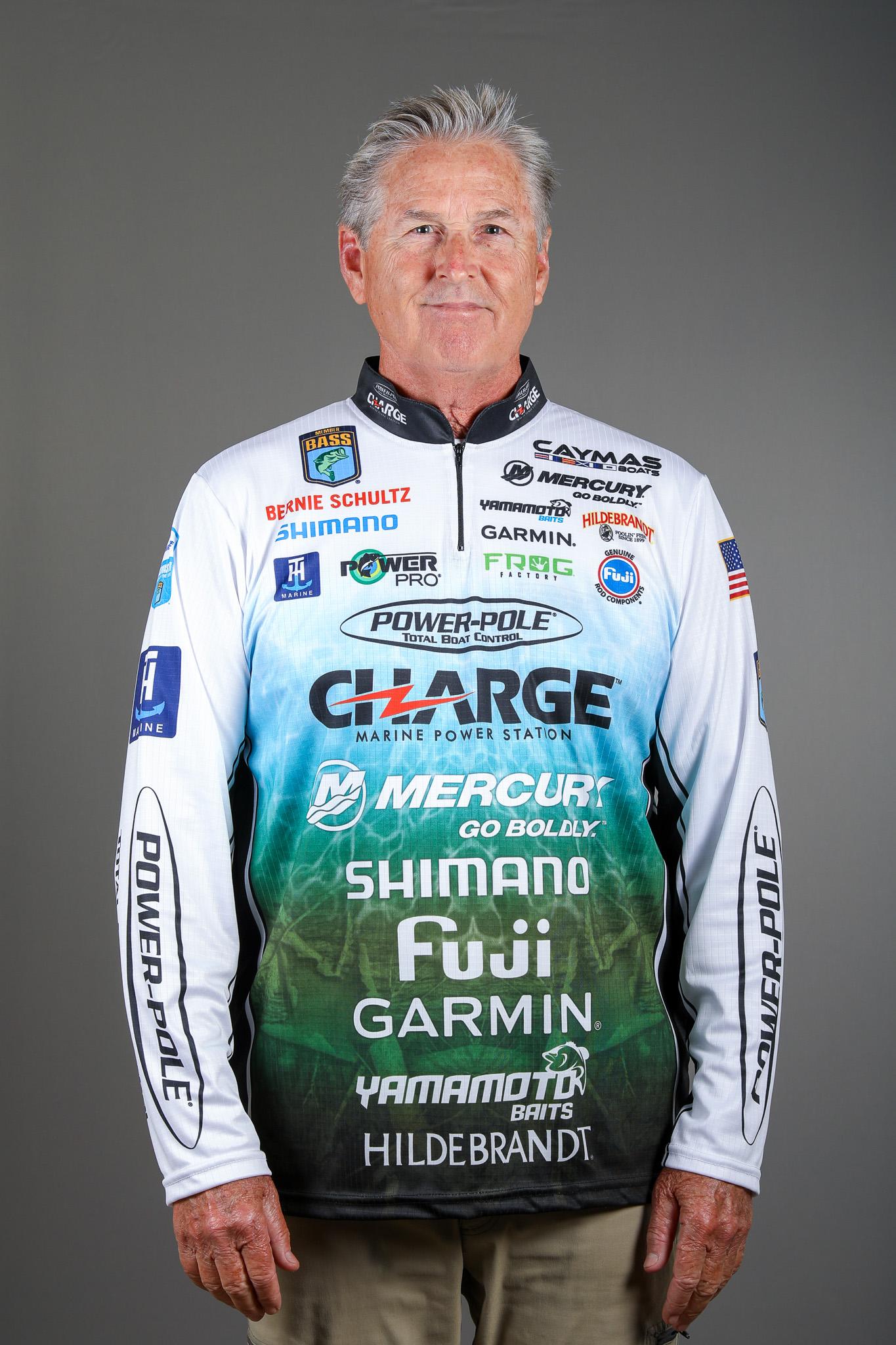
Follow Bernie Schultz on Instagram, Facebook or through his website.