A good finesse setup gives you the ability to present a small, natural-looking bait while still maintaining enough sensitivity to detect the bites that are easy to miss. For me, that comes down to a few important details: line diameter, stretch, leader choice, bait size and how much subtle action I get from the lure.
You don’t need a tackle box full of finesse techniques to get started. You just need a setup that keeps you connected to your bait and a willingness to slow down when the fish demand it.
Start With The Right Line
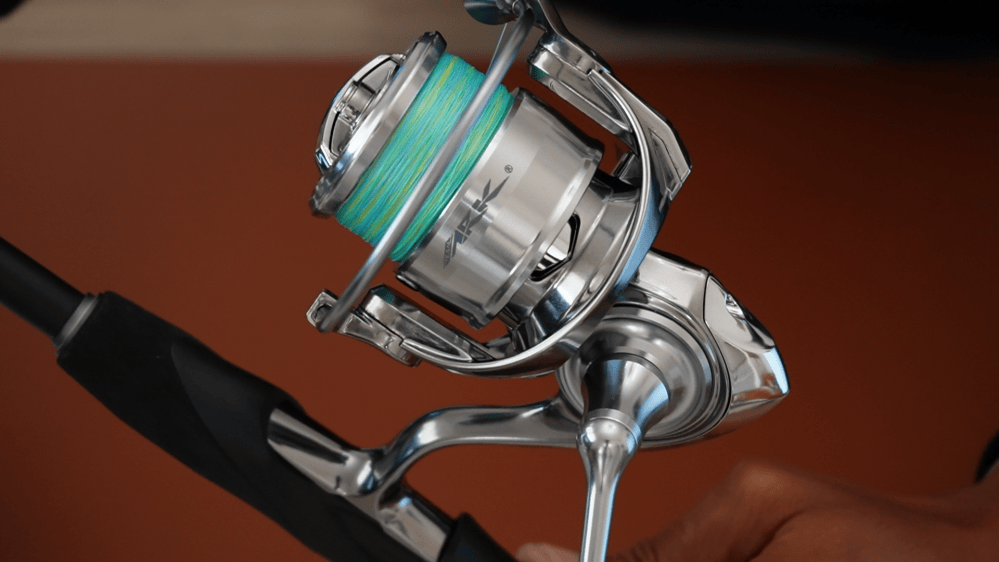
One of the biggest changes you can make to a finesse setup is switching to braided main line.
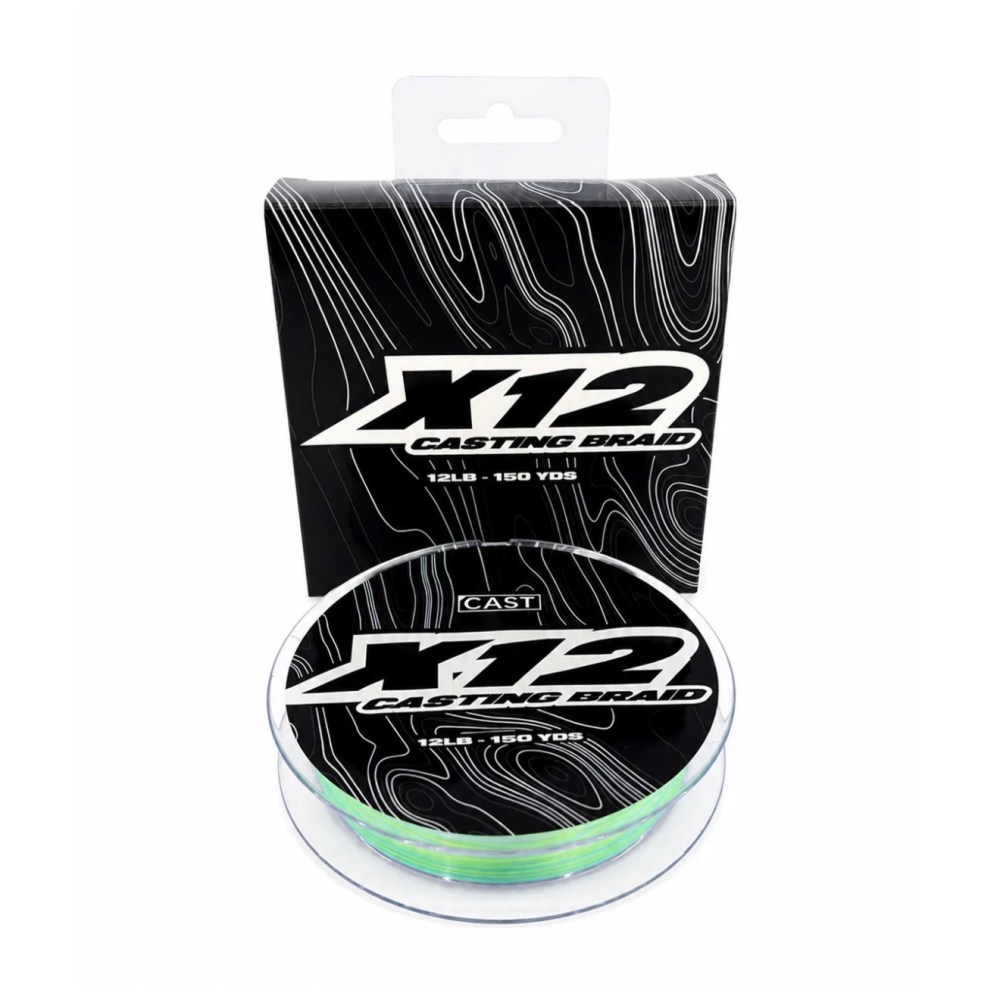
I like using Cast Fishing Co. X12 braid because it gives me two major advantages for finesse fishing: low stretch and a thin diameter.
Low stretch becomes especially valuable when you’re dealing with light bites. A bass doesn’t always hammer a finesse bait. Sometimes the bite is nothing more than a tick or a little extra weight on the line.
With a solid braided main line, there’s less stretch between you and the bait, which helps you stay connected to what’s happening at the other end of the line. That can make it easier to feel subtle bites, maintain contact with the bottom and know what your bait is doing.
The thin diameter of braid is another advantage. Smaller-diameter line creates less resistance and can help you get more distance from a spinning setup. That extra casting distance can be especially useful with finesse presentations, allowing you to cover more water while keeping your bait farther away from the boat.
Don’t Be Afraid To Go Lighter
Finesse fishing is about making your presentation look natural, and line size is a big part of that.
When the cover, water clarity and size of the fish allow it, dropping down to lighter line can make your entire presentation less intrusive. This can be especially important in clear or heavily pressured water, where bass have seen plenty of lures and have plenty of opportunities to become wary.
That doesn’t mean you should automatically fish the lightest line possible. You still need enough strength to land the fish and handle the cover you’re around. The goal is to find the lightest line that makes sense for the situation.
Paired with a thin braided main line and an appropriately sized fluorocarbon leader, a lighter setup can give you the combination of sensitivity, casting distance and a more natural presentation you’re looking for.
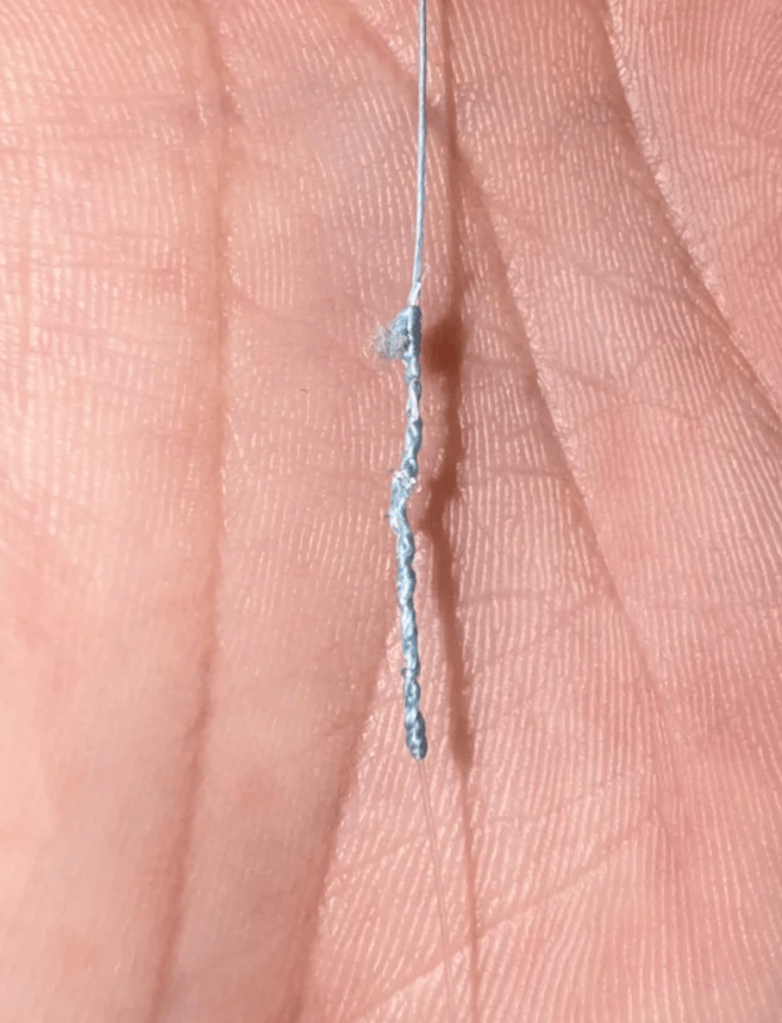
Braid To Fluorocarbon
I typically pair my braided main line with a fluorocarbon leader. It’s a combination that gives me the benefits of both lines.
The braid provides the thin diameter and low stretch I want from my main line, while fluorocarbon gives me a more subtle connection to the bait and added abrasion resistance when I’m fishing around rocks, wood or other cover.
Leader length and strength can change depending on the technique and conditions, but the important thing is having a connection you trust. I typically tie an Alberto knot, and it never fails me. An FG knot is the strongest and is known to work best. A double uni knot is also fine but is a little bulkier going through the line guides on your rod.
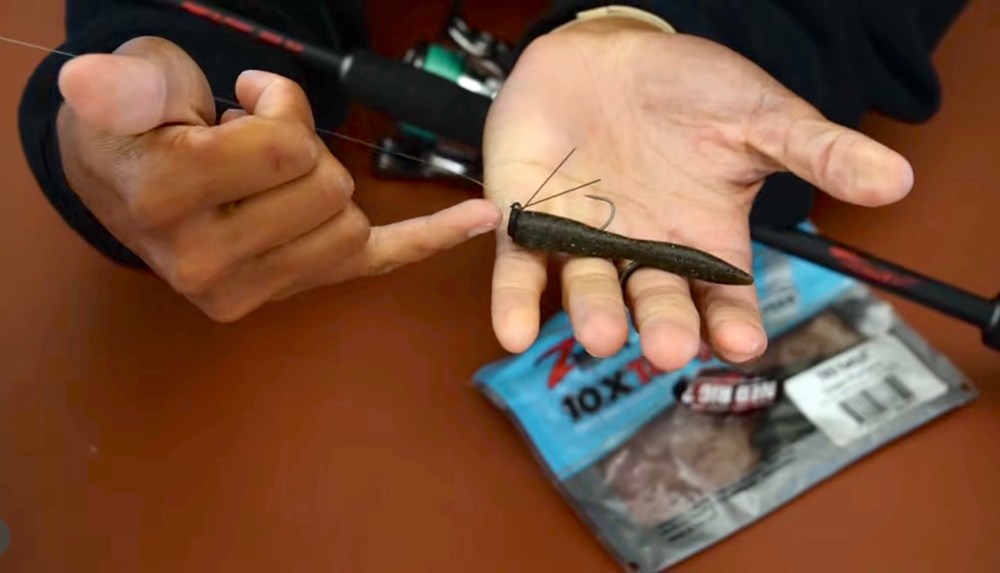
Four Finesse Presentations To Keep In Your Arsenal
There are plenty of ways to finesse fish, but four of my favorite light presentations are the Ned rig, Neko rig, drop shot and shaky head. Each one gives you a slightly different way to show a bass a small, subtle meal.
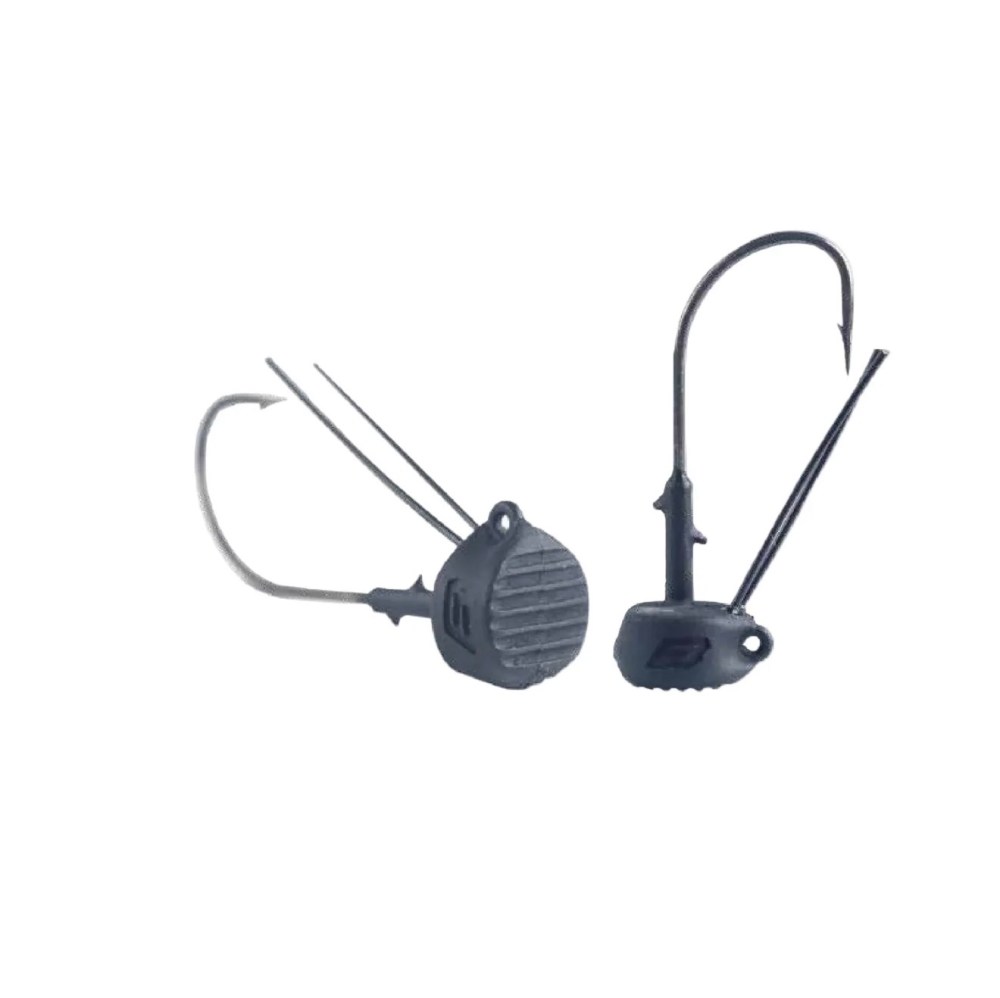
Ned Rig
The Ned rig is about as simple as finesse fishing gets. A compact soft plastic and jighead create a small profile that can be incredibly effective when bass don’t want to chase.
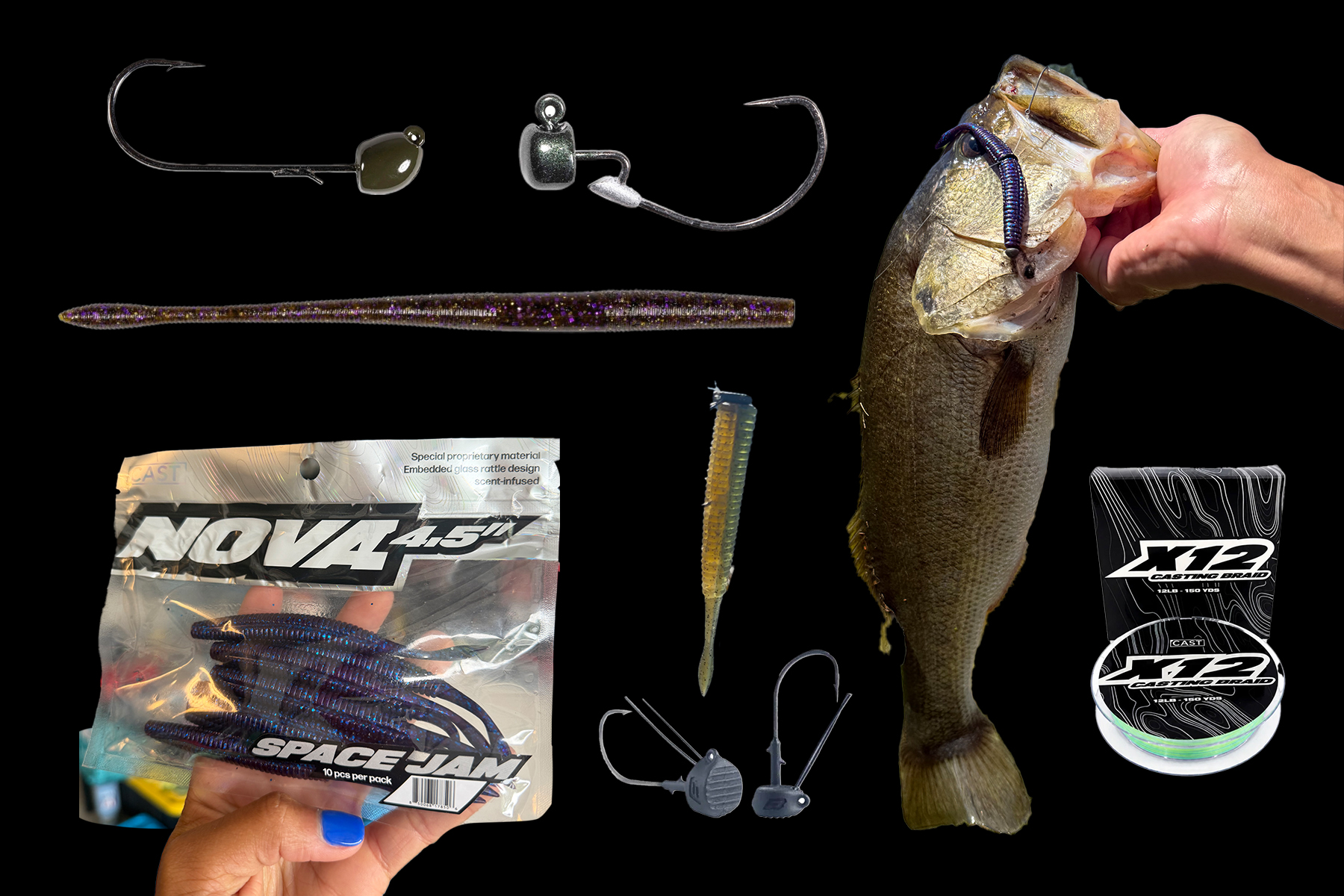
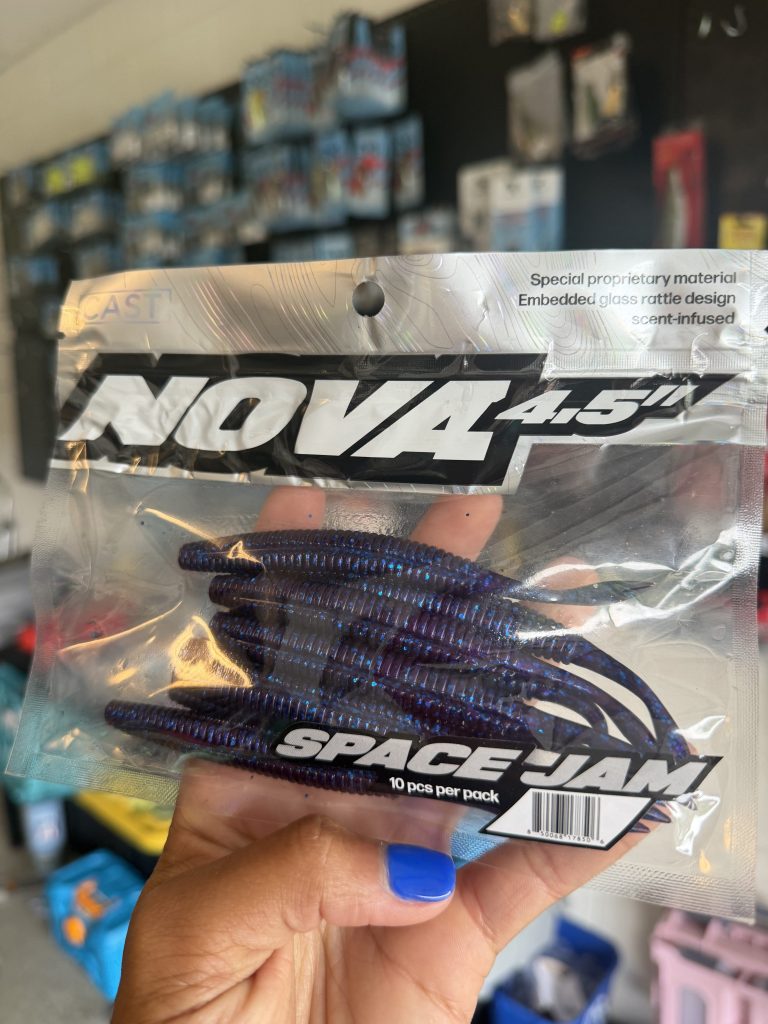
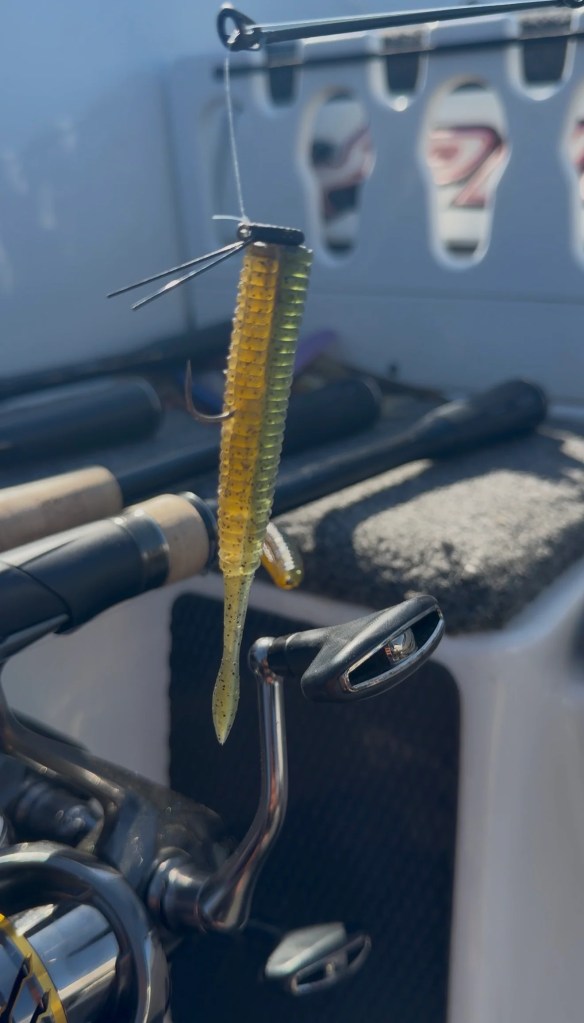
One of my favorite combinations is a BKK Silent Chaser Ned hook paired with a Cast Fishing Co. 4.5-inch Nova. The Nova has a natural profile and plenty of subtle movement without requiring much work. It also has a glass rattle built into the tail that entices the fish even more.
When I’m fishing around vegetation or other cover where an exposed hook can become a liability, I’ll switch to a weedless setup with a Z-Man Nedlockz EWG hook and Z-Man TRD FattyZ.
With either setup, I want the bait to spend plenty of time in the strike zone. Drag it, let it sit, give it an occasional hop and pay attention to what’s happening on the other end of the line.
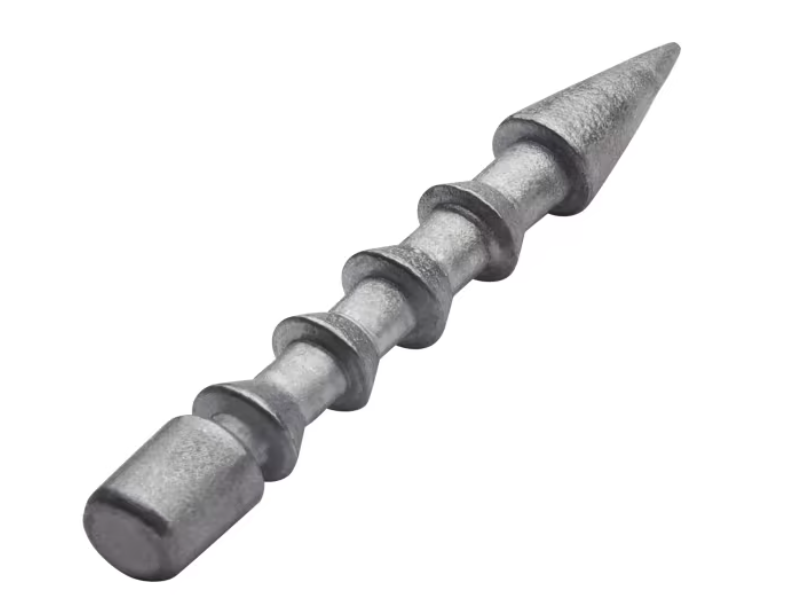
Neko Rig
The Neko rig gives you a little more versatility while maintaining a compact finesse profile.
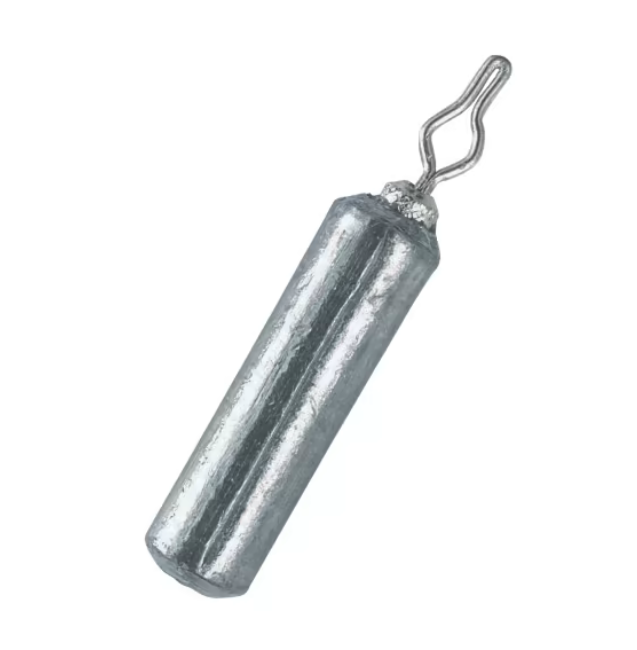
My go-to setup is a 1/16-ounce nail weight in a 4.5-inch Nova paired with a BKK Wacky Neko Hook. The nail weight changes the way the bait falls and rests on the bottom, giving the worm a different look than a traditional Texas-rigged presentation.
Small lifts followed by pauses allow the worm to move without overpowering the presentation. It’s a great technique when bass are relating closely to the bottom but aren’t willing to chase a bait very far.
Drop Shot
When bass are suspended, finicky or simply refusing to commit to a bottom presentation, a drop shot can be hard to beat.
My favorite setup is a 1/8-ounce Voss drop shot weight with a Z-Man Trick ShotZ and an Owner Jungle Drop Shot Hook.
The biggest advantage of the drop shot is the ability to keep your bait in the strike zone while making very small movements. A slight shake of the rod tip can make the bait quiver without moving it very far.
That also makes sensitivity particularly important. I want to feel the weight, know when I’ve contacted the bottom and recognize when a bass has picked up the bait, even when the bite itself is barely noticeable.
If you’re fishing around bottom cover or grass, try to tie your leader long enough so that your bait sits and suspends right over the cover.
Shaky Head
A shaky head is another great option when you want a finesse presentation that stays close to the bottom.
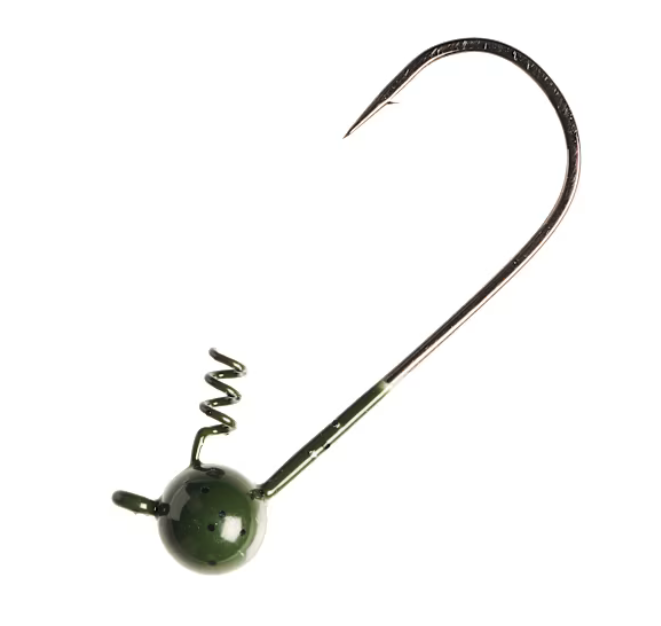
My go-to combination is a Z-Man SMH Jighead paired with a Z-Man SMH WormZ. It gives me a simple way to crawl, drag and subtly shake a worm through the strike zone.
I especially like a shaky head when bass are relating to the bottom but don’t want a bait moving quickly. A slow drag followed by a pause can be much more effective than constantly shaking the rod tip.
The Less You Do, The Better
One of the biggest mistakes with finesse fishing is feeling like you have to constantly move the bait.
Finesse presentations are designed to look easy to eat. Instead of aggressively hopping the bait, try dragging it. Instead of constantly shaking your rod tip, let it sit. Give the bass time to find it.
A lot of the action can come from the bait itself, the movement of the water and the subtle movements you make through your line. Your job isn’t always to make the bass react. Sometimes it’s simply to put a small meal in front of it and let the fish make the decision.
That can be especially important when fishing pressured fish. The more you can take away from your presentation without taking away its effectiveness, the better.
Learn To Recognize The Bite
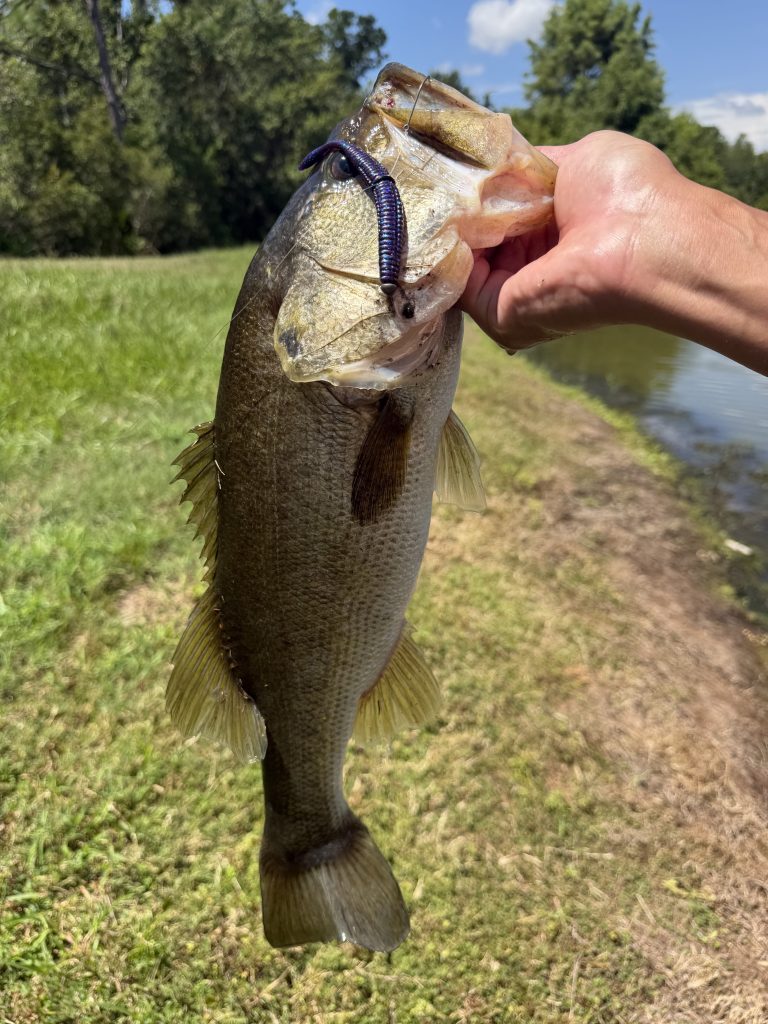
Finesse fishing can also make you a better angler because it forces you to pay attention to the smallest details.
Not every bite feels like a bite.
Sometimes the line jumps. Sometimes it starts moving sideways. Sometimes the bait suddenly feels heavier. Other times, you simply lose contact with the bottom for no obvious reason.
Those subtle changes are why sensitivity and line selection matter so much. The more connected you are to your bait, the more information you’re receiving from the water. Over time, you learn to separate a rock, a piece of grass and a bite, sometimes before the fish ever gives you the obvious tug you’re waiting for. If you’re ever unsure, remember that hooksets are free.
Keep It Simple
The beauty of finesse fishing is that you don’t need to overcomplicate it.
Start with a sensitive spinning setup, a thin braided main line, an appropriately sized fluorocarbon leader and a handful of proven presentations. A Ned rig, Neko rig, drop shot or shaky head can cover a lot of situations.
I like to throw each of these on a rod that’s usually around 6 feet, 10 inches to 7 feet, 2 inches long, depending on the technique. I typically use medium or medium-heavy power and fast or extra-fast action.
Then slow down and let the conditions tell you how subtle you need to be.
When the water is clear, the fish are pressured or the bite gets tough, don’t assume you need to make your presentation bigger, louder or faster. Sometimes the best adjustment is to take something away.
A little lighter line. A smaller presentation. A longer pause.
Those small changes can be the difference between fishing all day without a bite and finally feeling that little tick you’ve been waiting for.