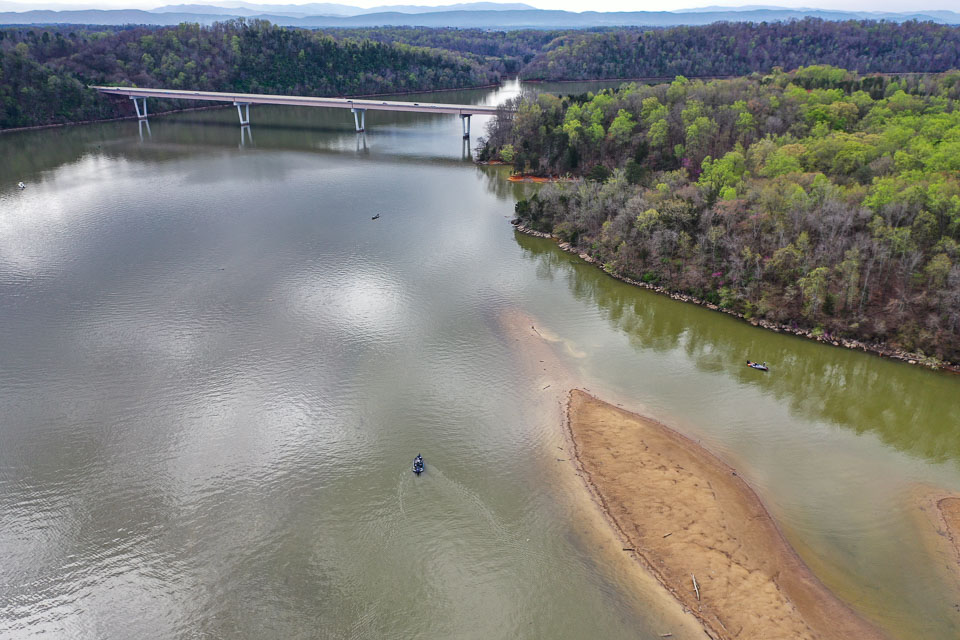
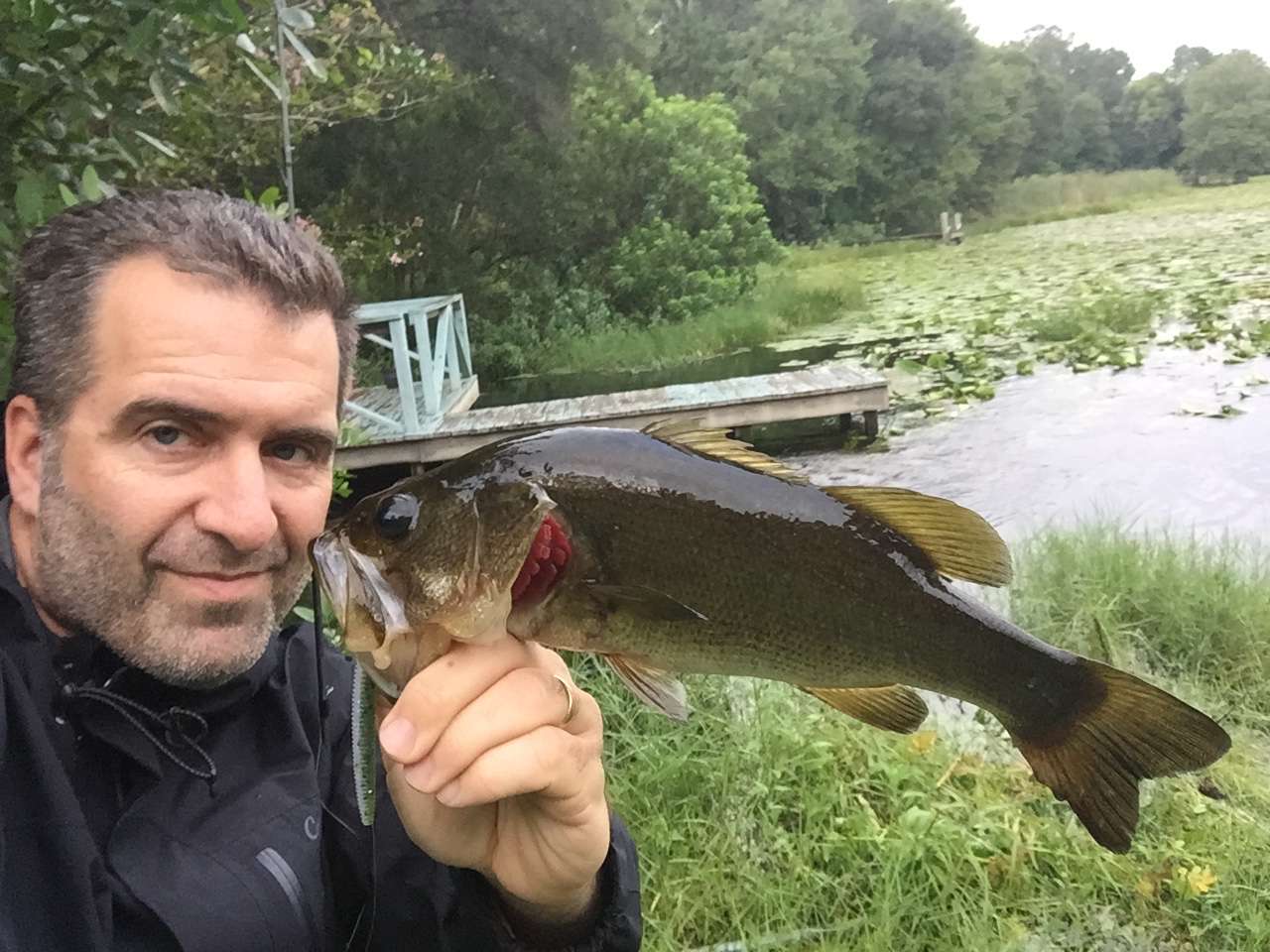
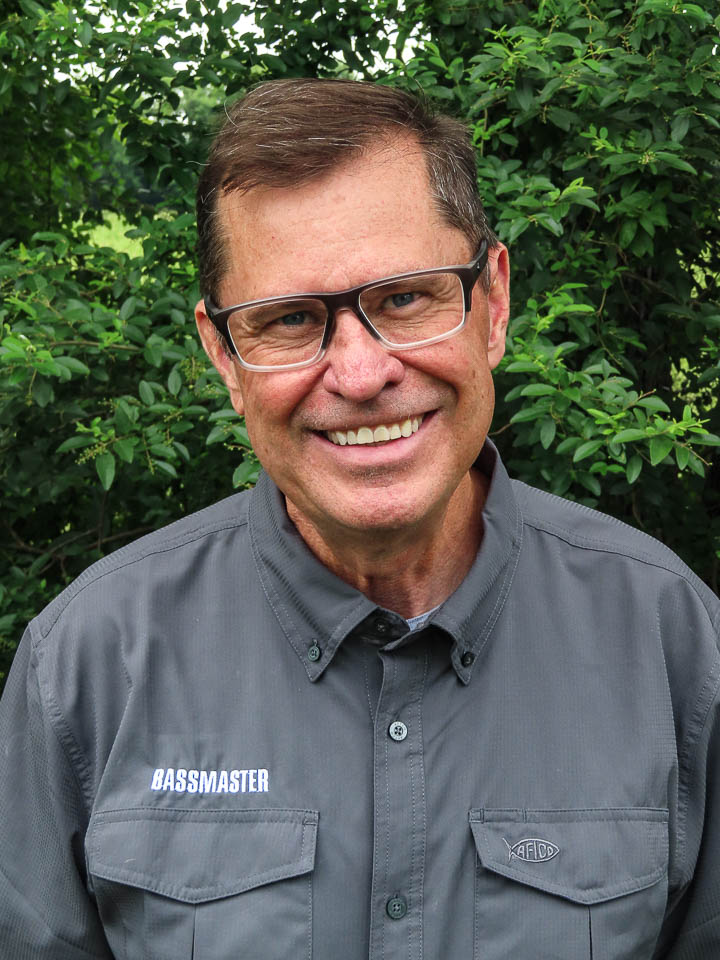
Robert Gee grew up five minutes from Concord Park Boat Ramp, providing him quick access to Fort Loudon Lake, playing field for the Bass Pro Shops Bassmaster Classic presented by Under Armour, March 13-15 in Knoxville, Tenn.
Calling himself “a dang local,” the third-year Progressive Bassmaster Elite has spent countless hours on the Fort Loudoun-Tellico tournament waters, so he knows the fishery’s personality and potential.
While Gee’s not fishing this year’s Classic, he took time to discuss his home waters and describe what he believes will be the most promising areas.
Gee loves targeting big summertime schools by side-scanning and down-scanning offshore structure. The Classic’s mostly prespawn complexion won’t see any of that, but Gee believes first-quarter weather patterns have created a scenario that could positively impact the sport’s premier event.
“We had a massive cold front (mid-February), so there was a big shad kill on the lakes,” he said. “That helps and hurts. It helps the bass get fatter, and it makes them a little dumber when they start wanting to feed again.
“In mid- to late-February, they were kinda lazy and lethargic from all the dead shad they had been able to eat. Toward the end of the month, they started to bite again.”
Gee’s prediction: The fish will be ready to cooperate come Classic time, but more importantly — anglers will likely find the overall population plumper than in past events.
“It will be the heaviest weigh of any of the Classics that have been at Knoxville,” Gee said. “It’s gonna blow the other two out of the water.
“They’ve just grown up a lot more since the last Classic here (2023). The fishing is just getting better on both lakes.”
Less is more
Another key point is a significant change in regulations that occurred after the 2023 Bassmaster Event (the 2023 Classic) on Fort Loudoun-Tellico Lakes. As of Aug. 1, 2025, this fishery operates with a daily creel limit of five black bass (all bass species) and a 15-inch minimum length limit.
That’s a big difference from the 18-inch minimum that had previously applied to smallmouth, and Gee says it will open the door for more bronzeback focus.
“Now, you can keep a 16- or 17-inch smallmouth, which we’ve never been able to before,” Gee said. “I’ve had to throw back 3-pound smallmouth because they’ve been only 17 1/2 inches, so the new regulations really open the door for all-smallmouth limits for the whole tournament.
“It’s been so hard to catch smallmouth that measure 18-plus inches, that’s why people haven’t typically liked to target them. Now, people will go for that more because you can keep more of the smallmouth that you catch.”
Turning the conversation to the playing field, Gee summarized four promising regions.
Teillico Canal
Linking Fort Loudoun and Tellico Lakes, this short connector rocketed into prominence with Jeff Gustafson’s 2021 Bassmaster Elite win and then his 2023 Classic victory. The canal’s days of anonymity are long gone, but Gee believes it’ll play this time around — especially with the new smallmouth rules.
“That’s where there’s a concentration of smallmouth because it’s the deepest and cleanest water,” Gee said. “Bait concentrates there, and the fish love that canal with the current flowing through there.”
What to fish: The mix of deep hard structure and the shallower rock/clay bottom offer good prespawn and spawning habitat for smallmouth and largemouth.
When it plays: “In that canal when current is stronger, they start biting better. If the wind is blowing, it really pops off. Even if the current isn’t strong, but the wind kicks up, that’s when they really bite.
“Overcast, or sunny, they really like that wind. The water is so clear, the wind breaks up the surface so they’re not so spooky.”
How to fish it: Gustafson twice demonstrated the jighead minnow’s canal effectiveness, but Gee also suggests crankbaits, shaky heads, Ned rigs and 5- to 8-inch paddletail swimbaits.
Key to success: “If you fish that area, you must find the big smallmouth. You might catch a big largemouth there too, but if you’re going down there to catch a big bag, you’re more than likely gonna have a 5-pound smallmouth.”
Upper Fort Loudon
Gee points to the stretch from roughly the Pellissippi Parkway (Interstate 140 Bridge) to several miles above the Classic takeoff site at Volunteer Landing as a prime zone for big bags of largemouth.
“It’s a little grimier and the water color can change overnight,” he said. “In the snap of your fingers, the water can go from 2 to 3 feet of visibility to inches of visibility.”
What to fish: Shallow targets, including laydowns, wood, rocky, riprap and rockpiles. There’s also a lot of big trees displaced by Hurricane Helene (2024) sunken in this stretch.
When it plays: Gee said this area will become prominent if the water is stained and river current is high.
How to fish it: Gee said this is a great stretch for old-school techniques like jigs, squarebill crankbaits, and flat-side crankbaits.
Key to success: “That’s where you can probably catch an 8-pound largemouth,” Gee said. “It really varies by the day. They’re river fish so it’s a new day every day. They might be on docks today and riprap the next day. The guy who can figure out where they want to be each day, can win.”
Tellico upriver
In Gee’s experience, anglers willing to make a super long run, may find their commitment rewarded with giant largemouth up to 9 pounds.
What to fish: With traditional riverine habitat comprising stumps, shallow wood and standing timber, this distant region also offers tailrace fishing below the Chillowee Dam. A mix of big largemouth, smallmouth and mean mouth swims these waters.
When it plays: Fed by mostly clear drainage from the western North Carolina and north Georgia mountains, clarity here is typically high. Overcast skies and windy conditions can diminish visibility and stimulate the fish.
“Also, if we have a rain that muddies up the water, those fish are easier to catch.”
How to fish it: Old-school flat-side crankbaits, paddletail swimbaits, spinnerbaits and jigs. Gee also hints at power fishing with a shaky head and a Ned rig.
Key to success: Gee points to the obvious time commitment of a long run and the necessary fuel stop as a serious consideration.
“You have to get on them quick, and if you can get there and get a limit in the first hour, it will really settle you down,” he said. “A lot of people will make that run and end up spinning out, because if you don’t get a limit early, then you feel like you’re on the time clock.”
Pellissippi Bridge to Ish Creek
With many local tournaments releasing fish in this area, Gee said there’s more quantity than quality, but diligent types may pick through a busy day of catching to find a few good bites.
“This will be a primary area because it has a lot of bass,” Gee said. “A lot of people will fish here because the fish are very concentrated.”
What to fish: Laydowns, isolated wood, bluffs on river swing banks, riprap and residential docks see a lot of the action. Gee also points to rock veins extending from clay points, which warm up nicely and provide subsurface staging spots.
When it plays: An all-the-time area, this zone will improve if rains bring stained water.
How to fish it: Cranking, jigs, bladed jigs, paddletail swimbaits, spinnerbaits and lipless baits excel here.
Key to success: “Somebody is gonna figure out how to get the better-than-average fish to bite,” Gee said. “There’s a lot of fish in there and a lot are small. A lot of guys will have 11 to 12 pounds, but some guys will have 14 to 15.
“It might be a time sacrifice to go through numbers, but if you find a few of those better-than-average fish, you can have a big day.”