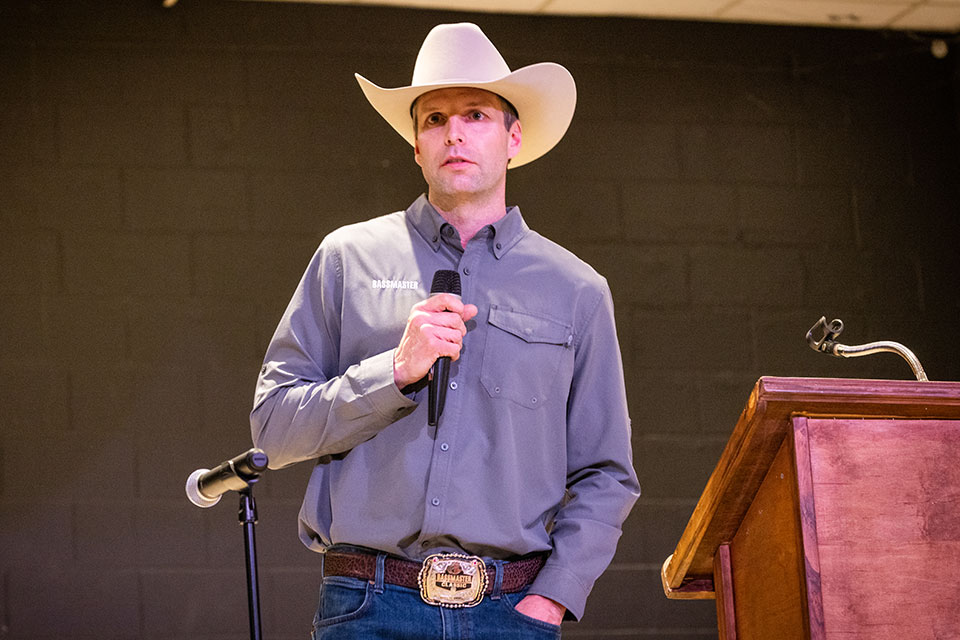
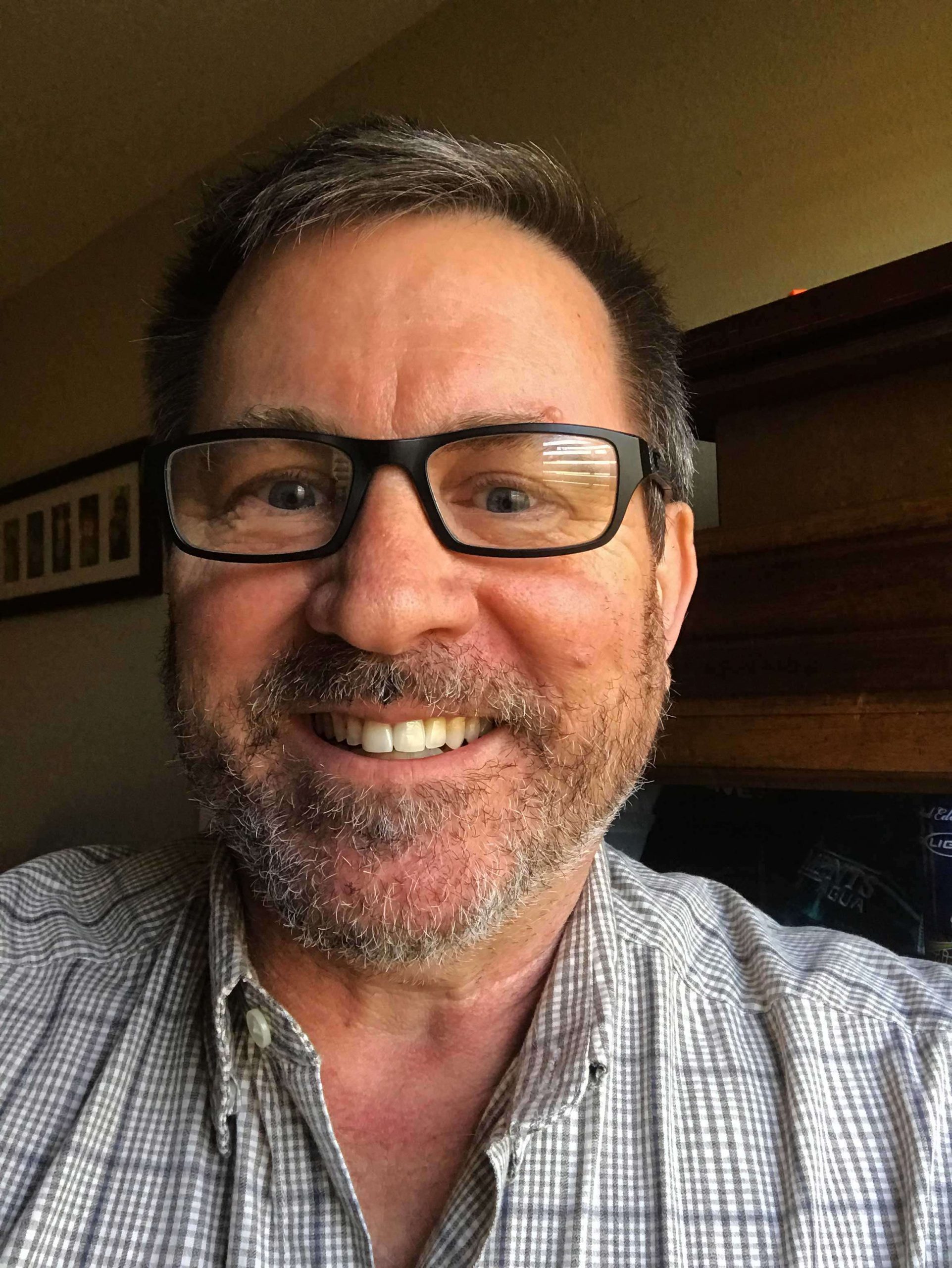
If not for the grace of God, Chase Anderson said he would be permanently disabled or dead.
A potentially fatal stroke and arduous recovery strengthened the B.A.S.S. CEO’s faith, giving him new perspective on life and a greater purpose.
If not for a string of “miracles,” Anderson, 45, said it was possible he would have died from an ischemic stroke 17 years ago. Any stroke comes at the wrong time, but Anderson was in the right place and had the right people treat him.
“My stroke was very significant,” Anderson said. “My initial prognosis was death or permanent disability. I had a procedure done to save my brain, something I’m very grateful for, but there were a lot of trials and struggles along the way.
“Looking back on it, the experience definitely changed my perspective on life.”
Anderson, among the 20% who regain full pre-stroke function, is sharing his ordeal for Stroke Awareness Month, observed each May to enlighten on prevention, recognition and treatment. Stroke is the fifth leading cause of death in the United States and the top cause of long-term disability.
Anderson well knows either could have been his fate. After meeting with another stroke survivor, Anderson decided to use the Bassmaster platform to further share the message that stroke is preventable, treatable and reversible.
Right people at right places
On Jan. 2, 2009, Anderson was at the top of his game, an uber-healthy 28-year-old executive running an import/export company based in Hong Kong, at the time Asia’s most vibrant city. At the behest of his mother, he was vacationing in south Florida with family. Anderson went on a late-morning jog with his brother-in-law when he suffered an ischemic stroke.
A blood clot, believed to have formed on a long flight, passed through an unknown hole in his heart and blocked blood flow to the right side of his brain. A sharp pain, like a knife in his head, sent Anderson to the ground; the left side of his body paralyzed.
The first fortuitous incidence was a passing physician who recognized Anderson was suffering a stroke. EMTs arriving on the scene were skeptical, but the doctor insisted Anderson was having a stroke and be treated with clot-busting medication, the most aggressive treatment.
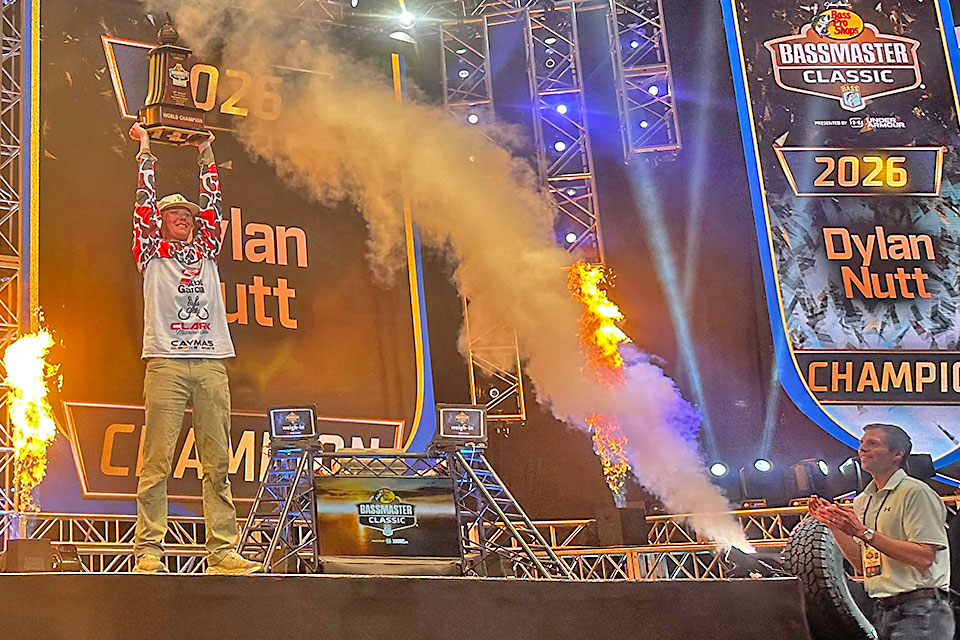
“That’s part of the miracle,” Anderson said. “The first person was a doctor who immediately diagnosed it as a stroke. The EMTs, when they got there, couldn’t even believe it was a stroke because I was in such good shape. They were asking if I’d done drugs. They thought something else had caused my symptoms, not a stroke.
“But Dr. (Glenn M.) Abrahmsohn stayed there and continued to say, ‘This is a stroke. Get him to a stroke-care hospital.’ Which they did, and they gave me clot-busting medication.”
However, the anticoagulants didn’t work, so Anderson was transferred to Jackson Memorial’s Comprehensive Stroke Center. Dr. Dileep R. Yavagal, a Miller School of Medicine interventional neurologist, performed a successful thrombectomy using a recently developed device. Inserting a wire through Anderson’s groin, Yavagal threaded it past his heart to the main carotid artery. With a corkscrew tip, he retrieved the clot, restoring blood flow to the brain.
“Chase’s spectacular recovery represents a new era in stroke treatment. His story proves that with timely access to advanced interventions like thrombectomy, patients can reclaim their lives fully,” said Yavagal. “I am grateful to have been involved in his treatment and thank him for his generosity in sharing such an incredible medical advancement with the world.”
“I literally believe I experienced miracles along the way, from the doctor who found me, to the procedure that was not approved at the time,” Anderson said. “Yavagal, who became my friend, was on call and had just returned from India. The mercy retrieval device he used was new in the field.
“If I were somewhere else, I would have been permanently damaged or even vegetative. God guided me here and saved my life.”
Rough road to recovery
Although Anderson was able to read flashcards several days later, his recovery was trying, physically and mentally. He slowly progressed from ICU to a rehabilitation hospital then on to outpatient therapy.
“I was basically reduced to an infant, and I had to grow up again,” he said. “I was shut down completely on my left side. I had to relearn how to walk, how to do all basic functions that we take for granted. Living an exciting and fulfilling life at 28 years old to being laid up in a bed, using a wheelchair and relearning how to care for myself was really humbling.
“But looking back, I think I needed to be humbled. I think I was attributing my success and exciting life I was living to myself, and not to my creator.”
There were questions of “Why me?” Anderson said the brain injury led to confusion and despair. His life was turned inside out, and he struggled at the thought of trying to get it back.
“Very important aspects of my life were really impaired, and I, for a long time, just wanted to kind of hunker down and not get out,” Anderson said. “I became very angry, frustrated and discouraged. I lived like that for some period of months, and could argue maybe even years.
“But I never wanted to give up. I knew I had to keep going. Deep down I believed God had a plan and I ultimately turned to prayer to sustain me. I couldn’t do much so I would spend hours praying.”
Anderson said he knew little of strokes before suffering his. He learned life is fragile and can change in a flash. He has a renewed spirit for life and relationships.
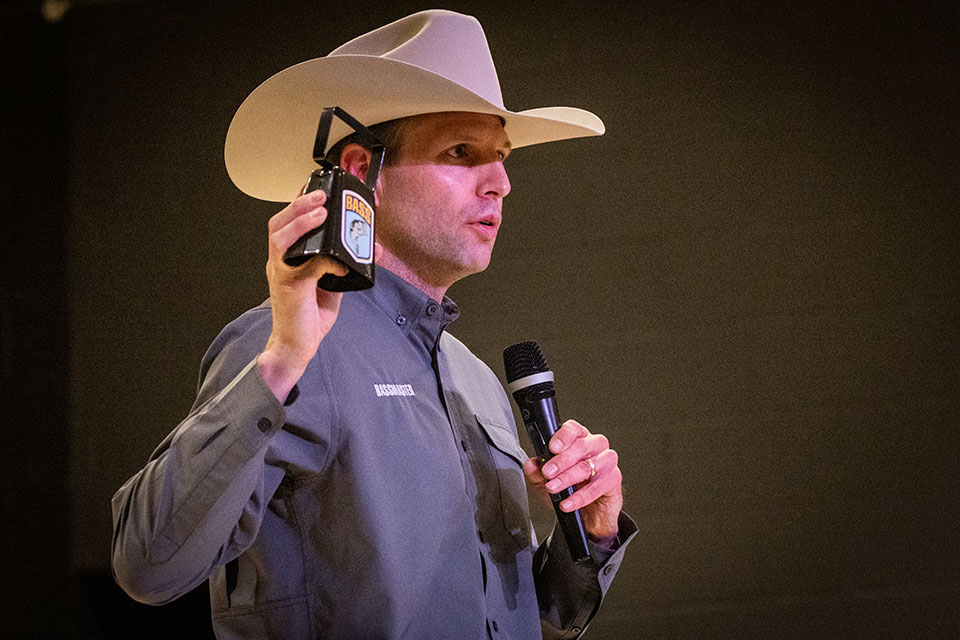
“It caused me to think of my faith a lot,” he said. “I was a Christian previously, but I really felt like I encountered God through the experience. It taught me to value my relationships with my family and friends more strongly.
“God healed me. I do believe I was healed and most people are not. I don’t know why it happened to me. I do question that sometimes, but I’m ultimately very thankful and try to live my life in a way that indicates gratitude and thanks toward God.”
Anderson, who assumed the CEO role at B.A.S.S. in 2021 after joining the B.A.S.S. team full time in 2017, has shared his story at multiple churches, ministries, and even doctor conferences, including the Fellowship of Christian Anglers led by Chris Wells at Bassmaster events.
A recent meeting with another stroke survivor prompted them to join forces.
Teaming up with Tedy’s Team
While laid up in Atlanta’s Shepherd Center Rehabilitation hospital in 2009, Anderson was depressed when told recovery would take at least a year. He was shown a book written by Tedy Bruschi, an NFL linebacker who returned to the league after recovering from the same type of stroke.
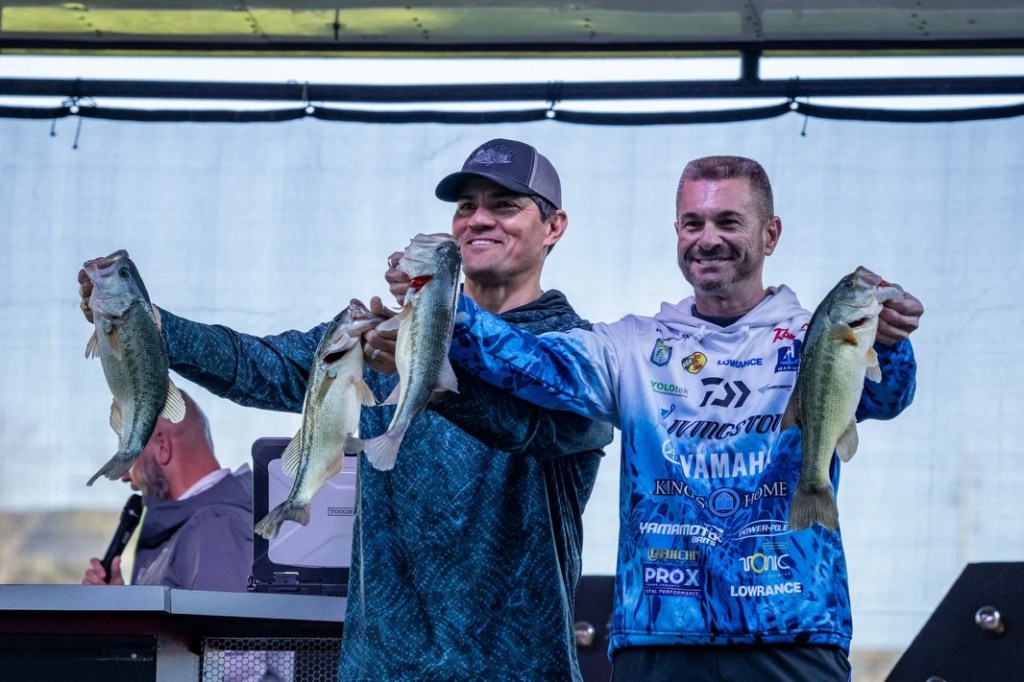
“I was inspired by that story and encouraged that a guy could have a stroke and come back and play NFL football,” Anderson said. “Tedy Bruschi’s name stuck in my head all these years.”
Seeing Bruschi on the list of celebrity anglers for the 2026 Bassmaster Classic Pro-Am in March excited Anderson. He set out to meet him, and they hit it off. Anderson learned that the three-time Super Bowl champion and ESPN analyst had a foundation to raise funds for stroke research, Tedy’s Team.
Anderson, and the senior leadership team at B.A.S.S., devised a plan, and on a call Anderson and Bruschi quickly agreed on Bruschi’s organization becoming the title sponsor for the Tedy’s Team Bassmaster Elite at Lake Murray.
“I’m really proud of this opportunity,” Anderson said. “I’ve told my personal story many, many times, but not used it in a way to promote stroke awareness enough. Tedy has really inspired me to do that.
“And I’m so glad that during May we can use our Lake Murray Elite to promote stroke awareness and highlight Tedy’s Team in the great work that they’re doing.”
Anglers act F-A-S-T
In his research of stroke, Anderson said he discovered there’s actually an area of the United States called the stroke belt, where there are more instances and deaths.
“That happens to be in the areas of the country where we have a lot of tournaments,” he said. “A lot occur in the Southeast, from the Carolinas down through Arkansas and Louisiana, an area of the country with a lot of lakes and bass anglers.
“So, I would encourage anglers to be mindful of the symptoms because most people do not know they are having a stroke when symptoms begin. If you think you might be having a stroke, get off the water or wherever you are. Take action, take the time to go to the doctor or the hospital. It is inconvenient, but it could save your life.”
The American Stroke Association, a division of the American Heart Association, works to educate about the “warning signs of stroke, the importance of acting quickly, and how lifestyle changes can significantly reduce risk.”
F-A-S-T is their acronym to recognize stroke and take immediate action:
Face – Drooping features on one side.
Arms – Weakness in any limb.
Speech – Difficulty speaking or understanding others.
Time – Call 911.
“Most people don’t know they’re having a stroke,” Anderson said. “What people don’t realize it can happen to people at different ages, including younger ages. Then it’s a race against the clock because each minute 2 million brain cells can be lost when blood flow is blocked to the brain.”
Symptoms should not be ignored even if they go away after a few minutes. That could indicate a transient ischemic attack (TIA), also called a “mini-stroke.” It’s a sign of a serious condition that requires medical attention.
Anderson said he remains grateful the circumstances allowed him a full recovery. Despite the severity of his stroke, he said no one can now ascertain he almost died 17 years ago.
“I’m the only one that can notice — my left hand is not as coordinated as I would like it to be,” Anderson said.
In sharing his story, Anderson emphasizes that strokes are “preventable, treatable and reversible.”