Profiling the 2026 EQ fisheries

The three-series lineup plays out on highland, lowland and riverine fisheries.

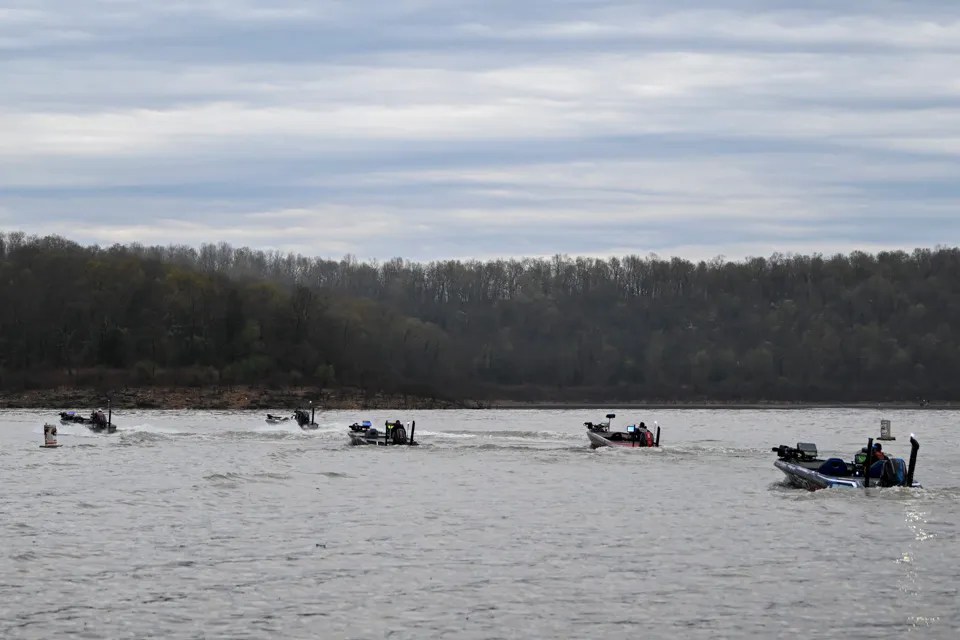
Bassmaster’s fall tournament series packs unprecedented goals and drama into a three-month schedule with threefold outcomes. Those are qualifying (and requalifying) anglers for the 2027 Progressive Bassmaster Elite Series and sending three tournament winners to Lake Hartwell for the 2027 Bass Pro Shops Bassmaster Classic presented by Under Armour. 
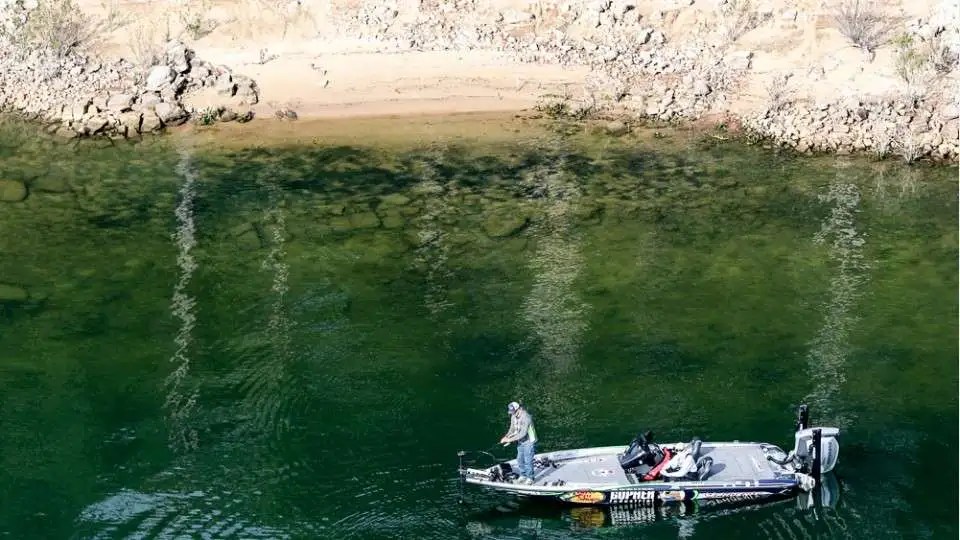
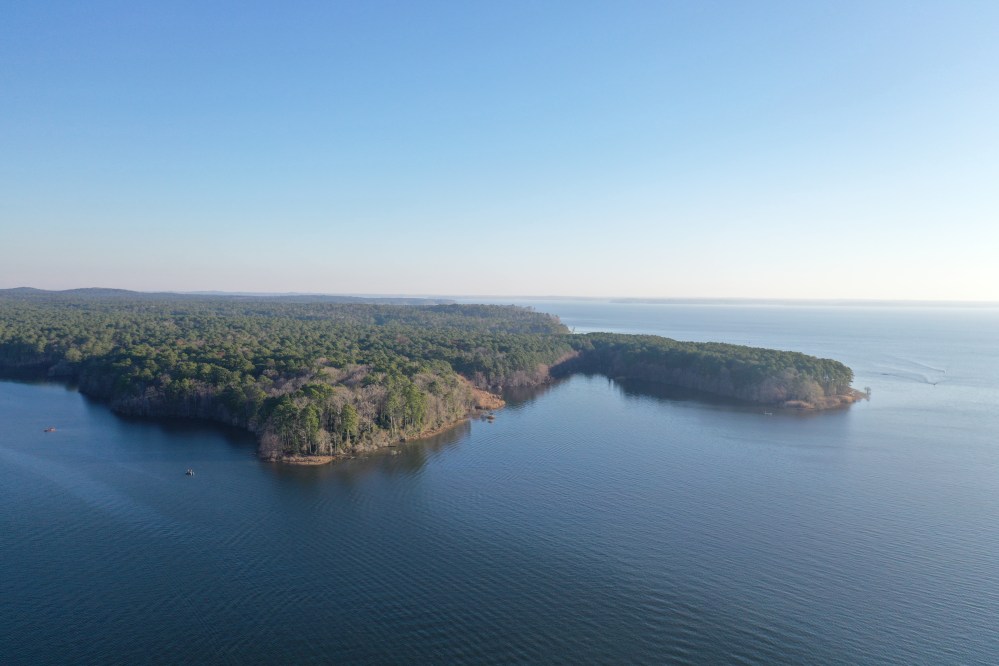
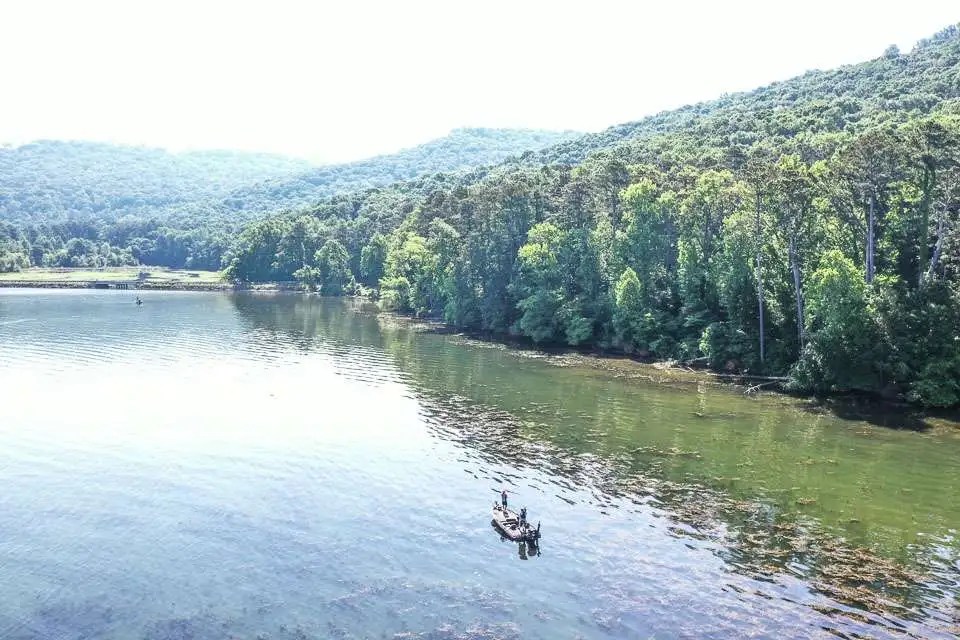
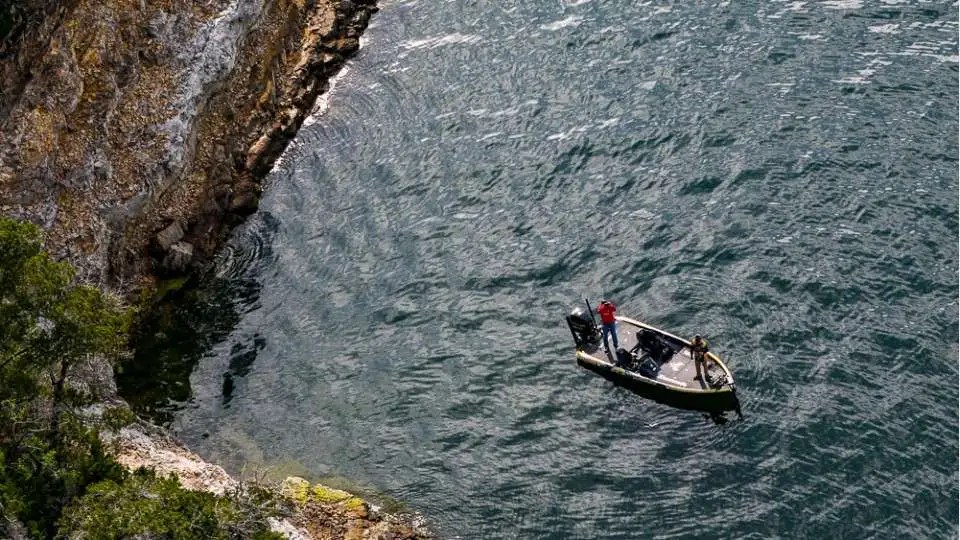
The 2026 Nitro Boats Bassmaster Elite Qualifier Series is the ultimate test of mental endurance and fishing skills on three uniquely diverse fisheries. The season begins in September on Norfork Lake, a highland reservoir in the Ozark Mountains of northern Arkansas. 
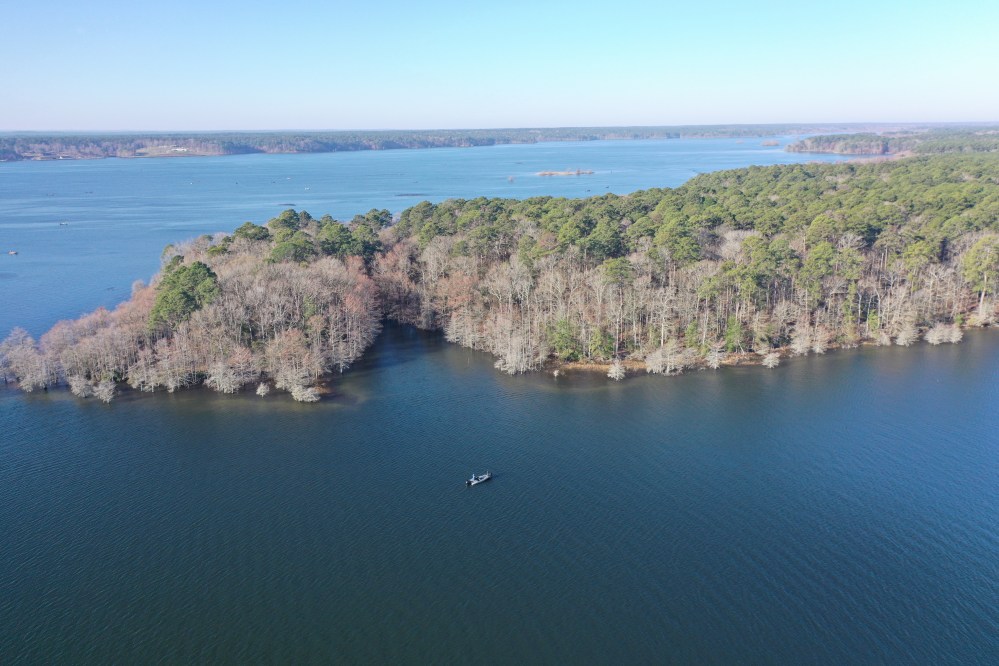
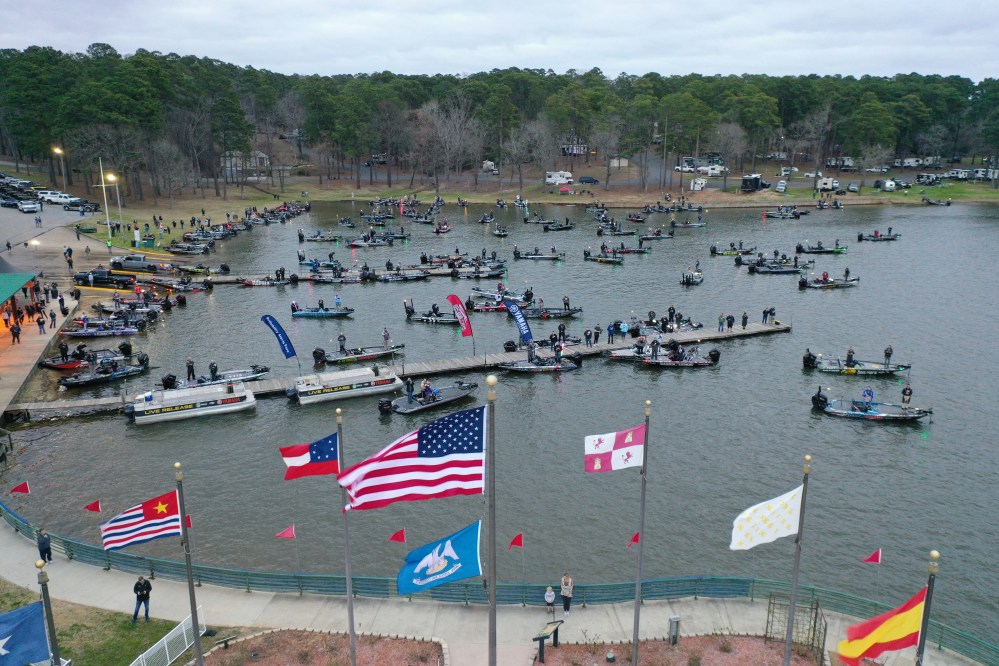
The second stop will pose a different set of challenges at Toledo Bend, a lowland reservoir on the borders of Texas and Louisiana. 
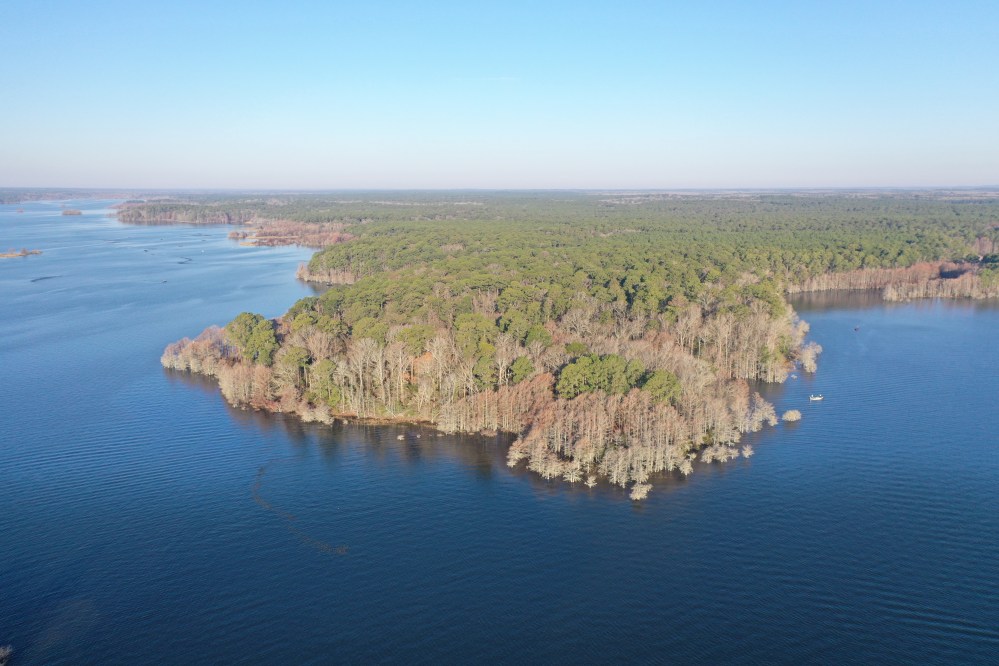
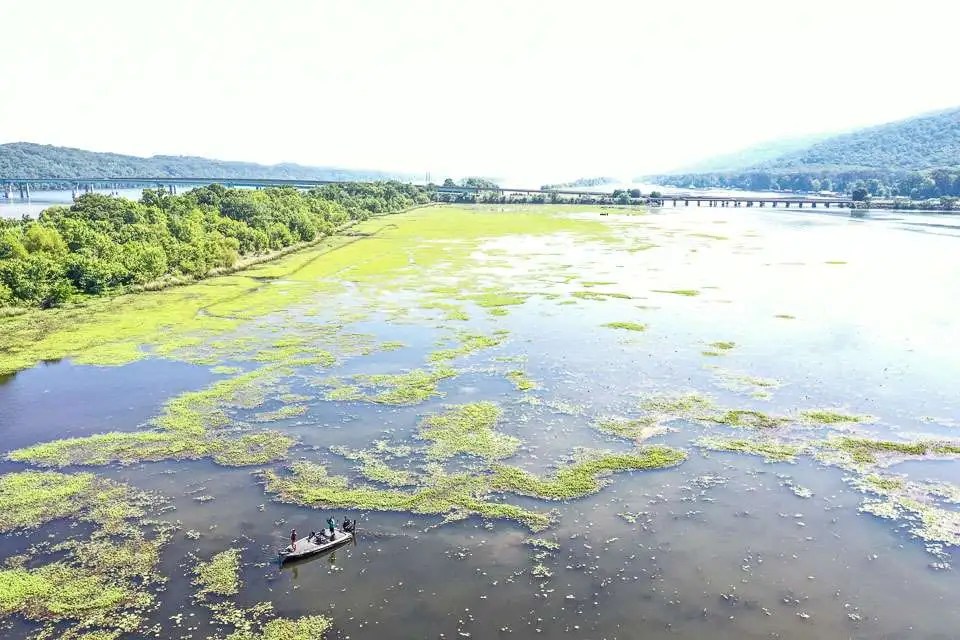
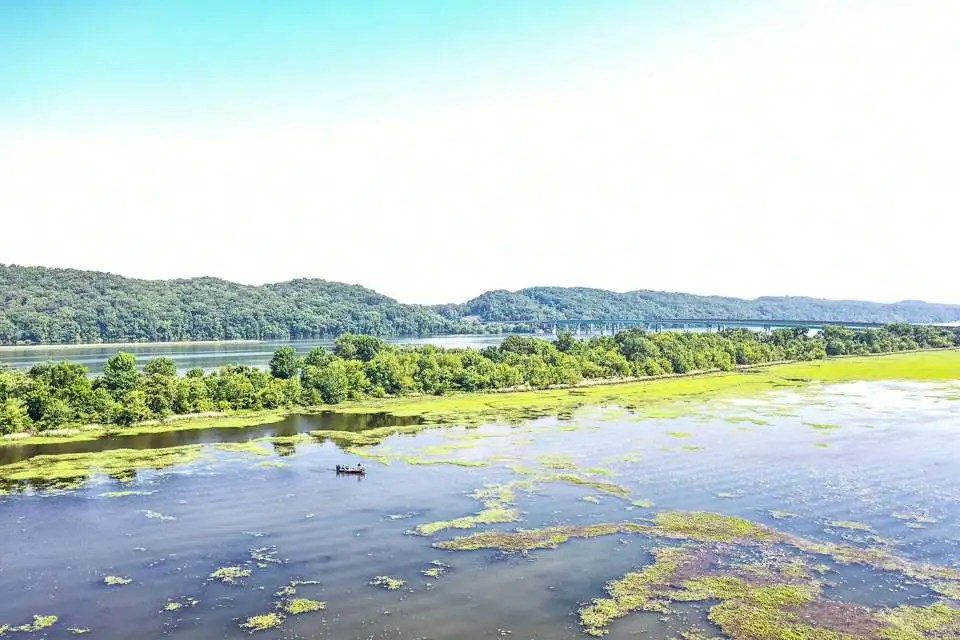
In November, the chips fall into place at the final event at Lake Guntersville, a riverine fishery which is impounded by the Tennessee River. 
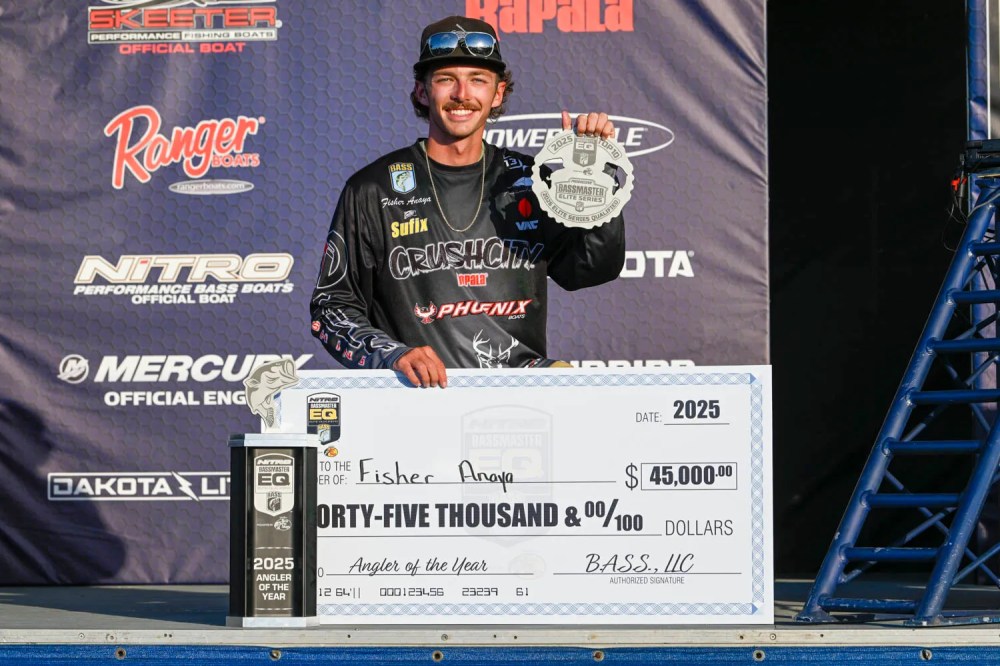
The Top 100 anglers advanced to the Bassmaster EQs from eight events and two divisions of the 2026 Turtlebox Bassmaster Opens. That series began in January and concluded in August. The main goal is advancing to the Elite Series, as Fisher Anaya did in the 2025 inaugural class of EQ qualifiers. 
A coin flip format determined usage of forward-facing sonar for the EQ lineup, similar to the same process used to set the split season for the Elite Series. Norfork Lake and Lake Guntersville will be fished without forward-facing sonar, while allowed at Toledo Bend. 
Norfork Lake, Sept. 23-25
Late September in the Ozarks brings shorter days, cooler nights and bass in transition. On Norfork, that typically equates to intercepting the movements of bass as they follow baitfish and migrate from main and secondary points into the creek arms. That also prevents nuances and challenges of early fall fishing.
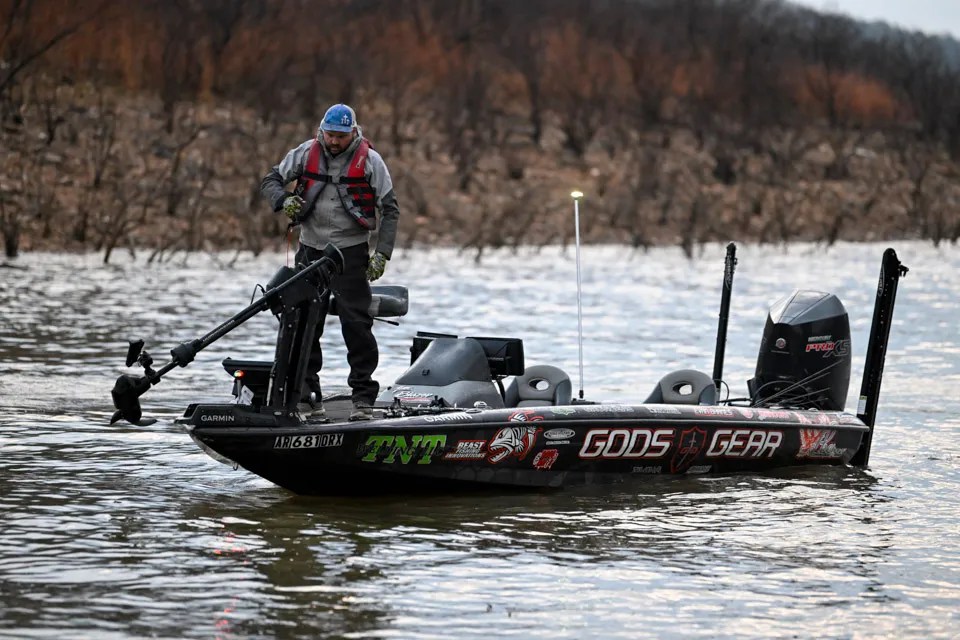
“September is a challenging time overall for highland reservoirs,” said Stephen Browning, EQ qualifier and veteran Arkansas pro. “There will be bass from 6 inches to 20 feet or more. They will be relating to some type of structure, but what that might be will take being there during the tournament.”
The coin toss landed on the wrong side for Norfork, according to Browning. “With scoping it would have obviously made it easier to dial in the offshore bite with suspended fish. Side scan and down scan imaging will be key in finding the offshore structure, and especially on the long tapering main lake points where the fish will be staging for fall migration.”
Toledo Bend Reservoir, Oct. 21-23
Among the three EQ fisheries, Toledo Bend has the greatest potential to show out given the late October timeframe and its big bass pedigree. Adding to the storyline is the allowance of forward-facing sonar. 
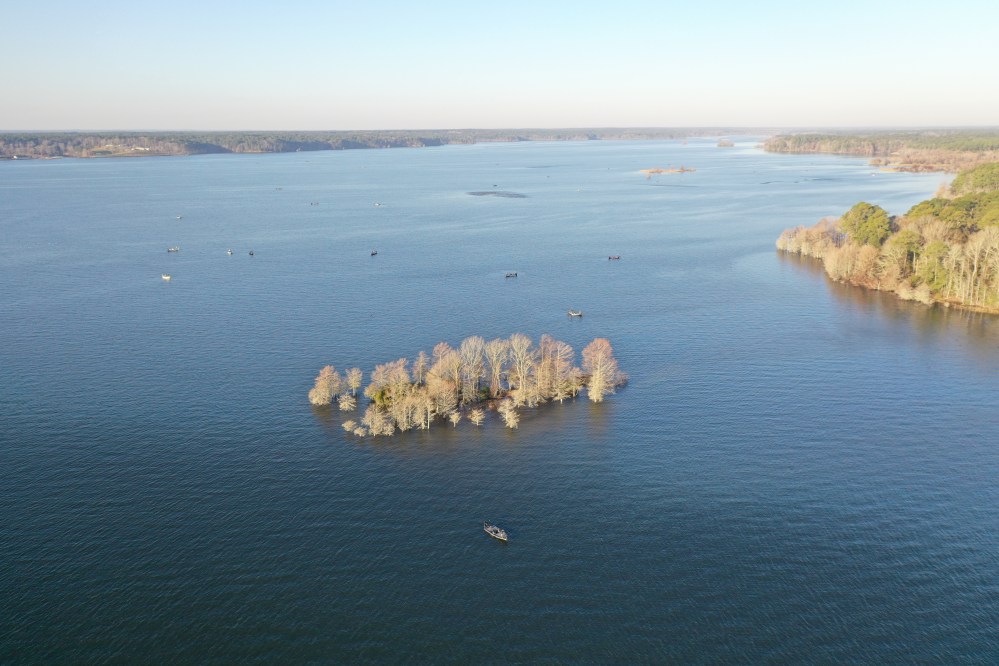
“By late October there will be a lot of suspended fish and that’s what makes fall fishing so tough, but not so much with forward-facing sonar, which will make it better,” said Dakota Ebare, Elite pro from East Texas. “That will produce good weights.”
That could bring textbook fall baitfish patterns into play. “The fish will start getting on bait, which will make scoping even better. Look for typical fall textbook patterns using jighead minnows around standing timber where the fish suspend,” Ebare said. 
“Most off it will come down to where the lake is on fall turnover, where the thermocline is during the tournament. By late October if there have been one or more cold fronts it will have the thermocline settled back down into deeper water.”
Lake Guntersville, Nov. 11-13
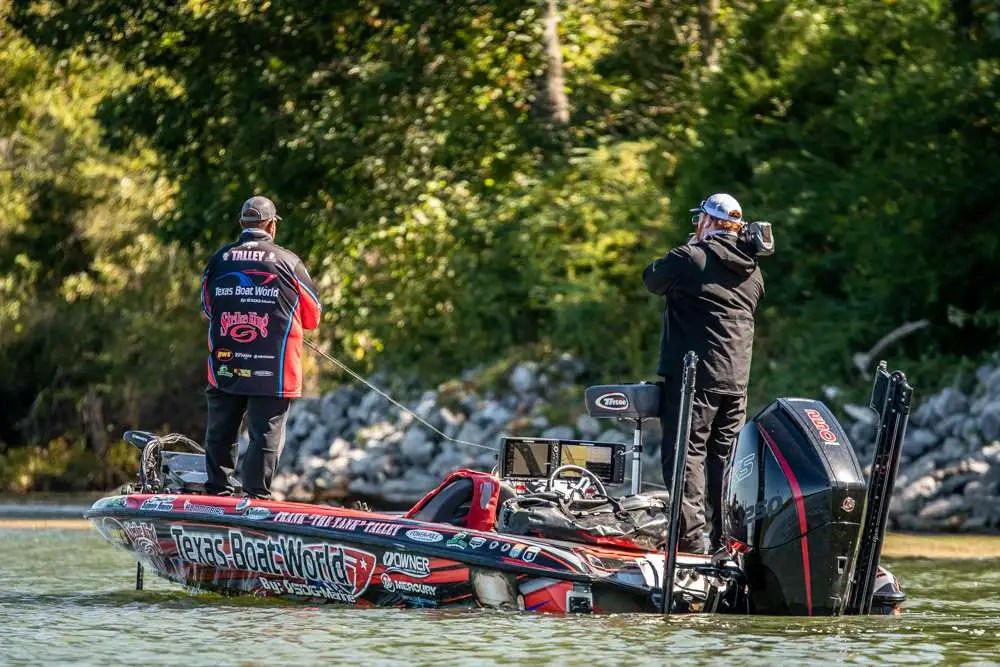
The Elite’s most recent (and only) fall timeframe tournament on Guntersville occurred in early October of 2020. Texas pro Frank Talley amassed a winning catch of 64-3, including a final day effort of 18-2. Not too shabby for fall fishing anywhere in the South. A bladed jig and topwater frog fished along eelgrass edges near bottom contour breaks accounted for Talley’s winning pattern. 
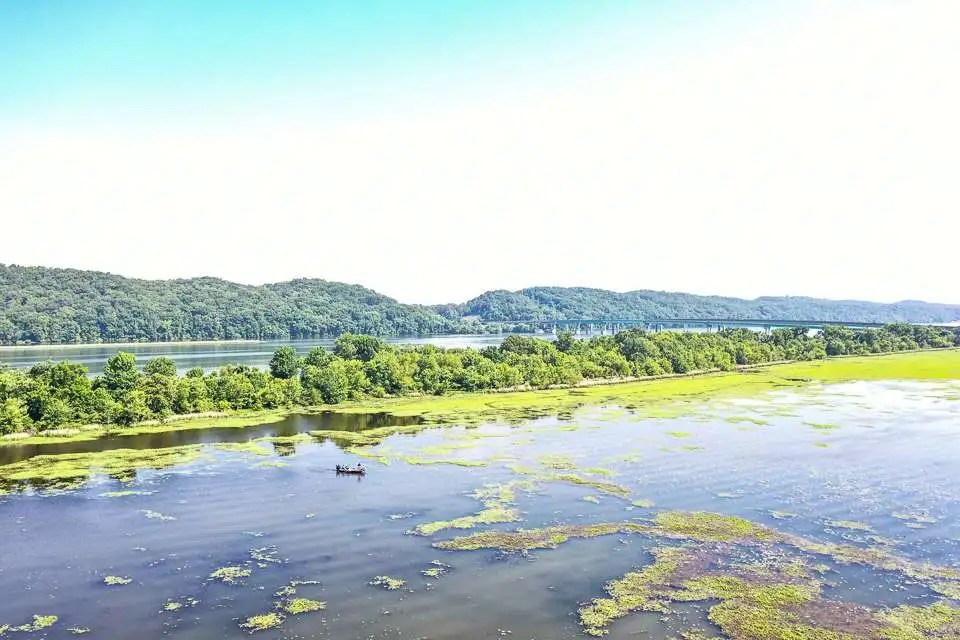
Randy Howell, 2014 Classic champion and Guntersville lakeshore resident, predicts more positives than negatives without the use of forward-facing sonar. “It will be a real ‘fishing’ event requiring knowledge of fall fish behavior and structure fishing,” Howell said. “The biggest factor will be how much any cool weather affects the coverage of vegetation.”
Flipping and punching specific areas holding any available dense vegetation will be key. “One small patch will concentrate baitfish and provide an ambush canopy for bass,” he said. “You can’t find those areas with forward-facing sonar. It’ll take scouting and finding contour lines near grass edges using side scan and mapping to make it work.”