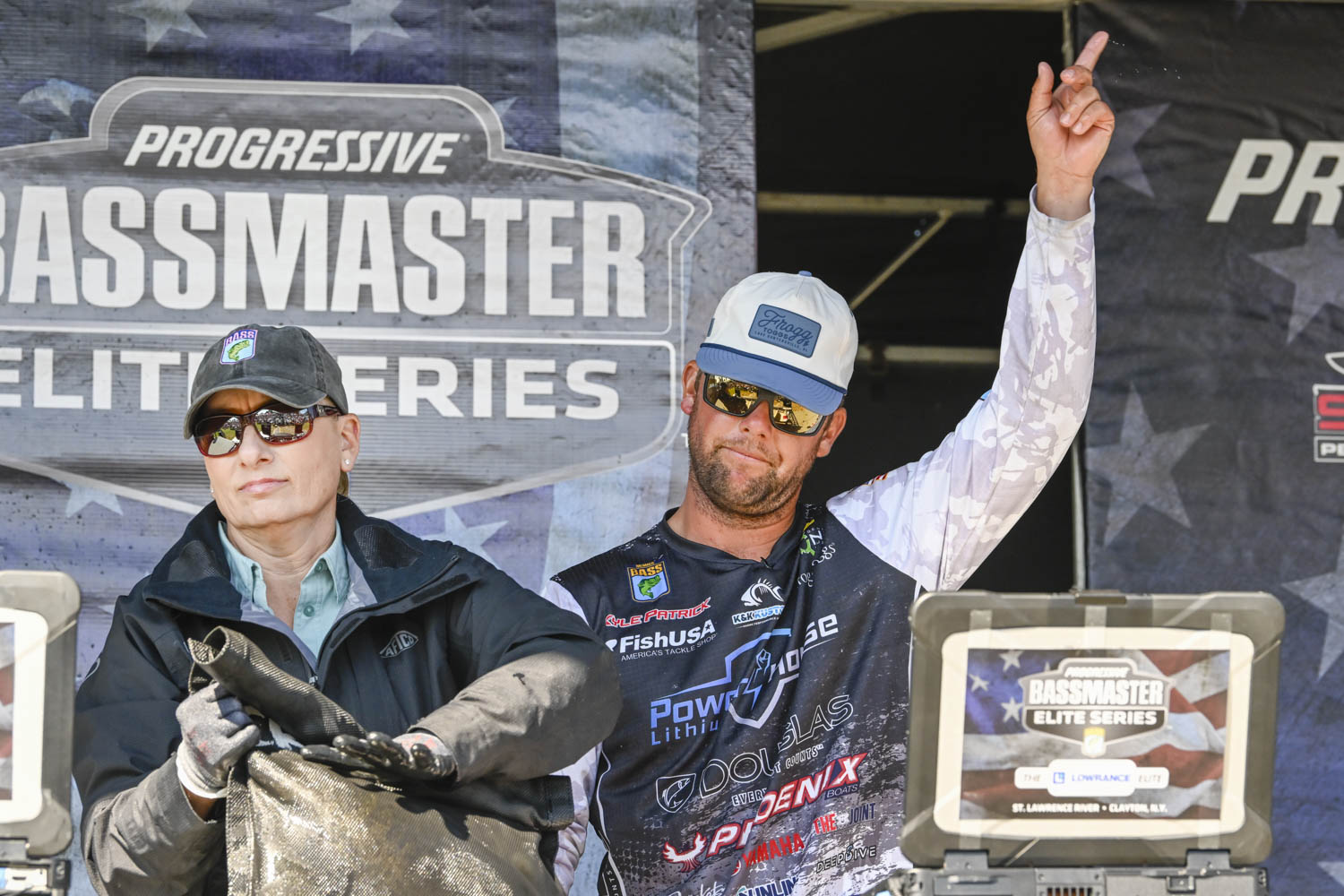

If I had a dollar for every time someone asked me how to get sponsors, I probably wouldn’t need sponsors.
It’s a fair question, and I’ve seen it from both ends. I’ve sent plenty of pitches as an angler. I’ve also spent years on the brand side running pro staff programs, which means I’ve read a lot of pitches too. Some were great. A lot of them looked a whole lot like the ones I used to send … and that was humbling.
Finishes aren’t the pitch
Almost every email I got on the brand side started the same way. A list of results. Top 10 at this event, a check at that one, club AOY a couple years back. I get it. You worked hard for those, but nobody at a company is sitting around hoping to sponsor someone with a nice top 10. They’re trying to sell product. That’s the job.
So, when your email lands on their desk, they’re really wondering whether you can help them do that.
That’s what you need to show them. Who follows you, who you fish with, which shops know you by name … whether people watch what you post, whether you’d be good working a booth at a boat show. Put your results in there, sure. Just don’t lead with them.
What I paid attention to
When I was managing pro staff, the anglers who stood out weren’t always the best fishermen. They were the ones I never had to chase.
They read their contract and did what it asked. They posted regularly, and it was real stuff, the product on the boat and in use, not a logo graphic every few weeks. They sent sales our way, whether that was a code someone used, a buddy who bought one or a dealer they talked into carrying the line. They answered emails. And if somebody walked up to them at the ramp with a question, they knew the answer.
I can’t remember a single time someone’s tournament record was the reason they stayed on a program or got cut.
Getting that first sponsor
Start with stuff you already use. It’s a lot easier to pitch a product you believe in, and whoever’s reading your email can tell the difference.
Go local before you go big. The tackleshop down the road, the marina where you gas up, the dealer you bought your boat from. Those people are way more likely to say yes, and if you take care of them, they’ll stick with you as you move up.
Keep your pitch short — one page. Who you are, who you reach and exactly what you’ll do. “I’ll post twice a month, run your code at two club events and help at your spring show” means something. “I’ll rep your brand” doesn’t.
And don’t worry about getting free gear right away. A discount program you can actually live up to is worth more than a big deal you fall behind on. Do a good job at that level, and the next conversation gets a lot easier.
Last thing — if you don’t hear back, send another email. People on the brand side are buried. Following up isn’t annoying. It shows you’re serious.
Keeping sponsors
This is the part almost everybody skips.
At the end of the year, send each sponsor a short recap. What you posted, the events you worked, any sales you can point to and what you’d like to do next season. It takes an hour. Hardly anyone does it, and it makes a huge difference come renewal time, because now the person who signed you has something to show their boss.
At the end of the day, it’s a business relationship. Treat it like one and you’ll be wearing the same logos for a long time.