I’ve spent a fair amount of time hunting the past few months, but the “work” part of my offseason consists of a heavy dose of adjustments. I need to learn not only the new products on the market – rods, lures, hooks, electronics and so on – but also figure out which existing ones could be used better or differently.
That starts by making an honest assessment of my 2026 performances.
I had six pretty good events and three that killed my chances of making the 2027 Bass Pro Shops Bassmaster Classic. One of those was Lake Martin, where I finished 82nd. I was fishing a Neko rig in deep water and lost some fish that would have helped me. If a couple of the ones I never saw had been 3-pounders it would have made a big difference.
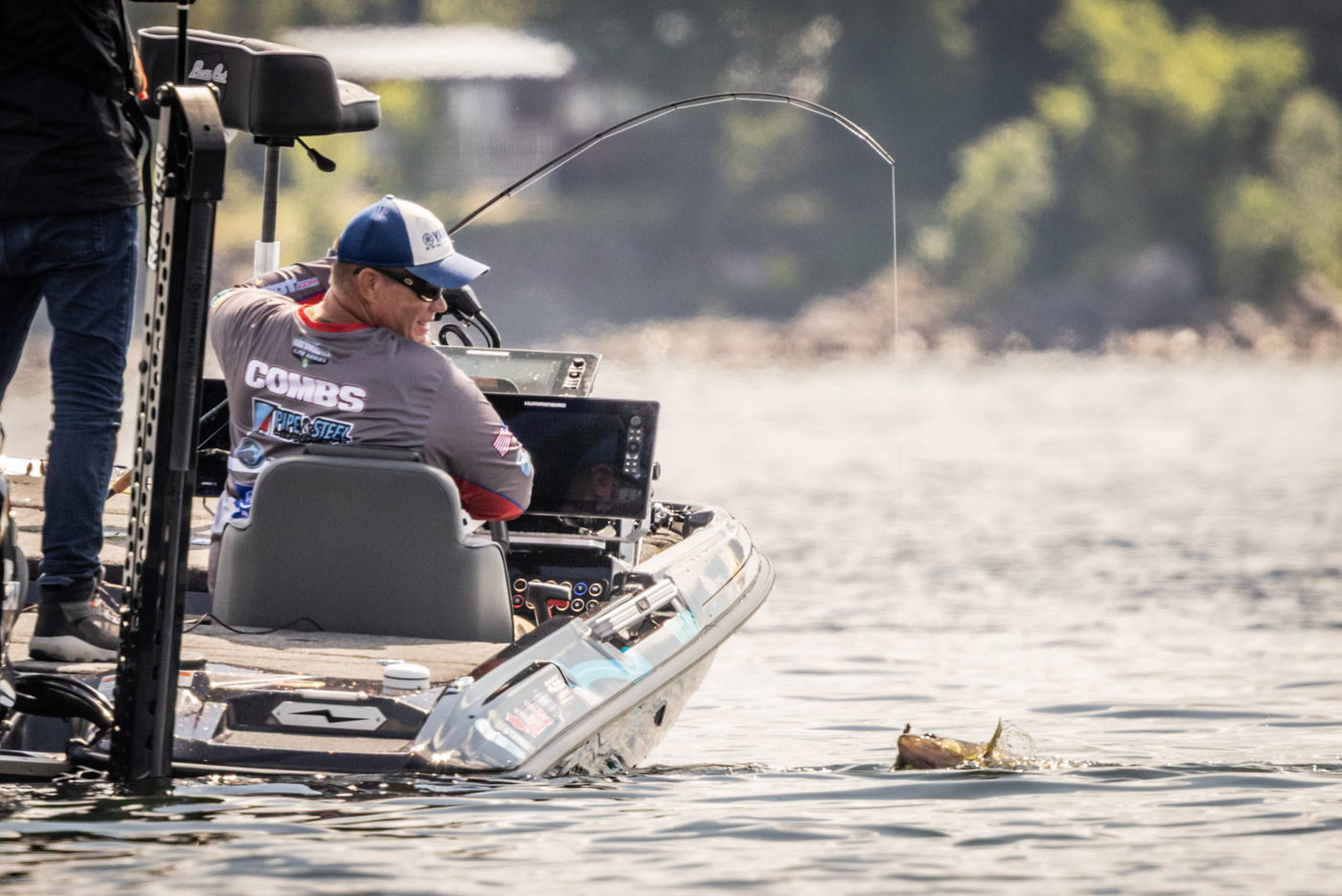
Lake Murray was another tough one for me. In fact, it was a train wreck of lost fish, despite the fact that I was fishing a squarebill and a Caffeine Shad — two presentations that are typically in my wheelhouse. I lost six or seven fish the first morning that would have helped me substantially. In hindsight, I think if I’d just changed out the trebles to Owner ST36 coated hooks I would’ve caught some or all of them.
It’s hard to reflect on those small differences in the heat of the moment – sometimes you just chalk it up to bad luck – but the offseason gives us all time to reflect honestly and to work on figuring out where we fell short. Near my Texas home I have not only Sam Rayburn Reservoir but also a number of other small lakes that allow me to dial in a system and minimize future heartbreak.
By using different products while money is not on the line I can really take my time and use a systematic approach. That’s especially true with electronics. You don’t want to go into the system not understanding what they can do. At the same time, each element of our tool kit can be a source of strength or weakness.
Earlier in my career I was late to the game when it came to fishing a bladed jig. I took a couple of absolute beatdowns because I didn’t fully trust it. It turned out that part of the reason I’d struggled was because I had the wrong rod. Finally I broke down and asked someone I trusted who was doing well with that lure what to change. He told me I had the wrong rod. Instead of thinking of the vibrating jig as a spinnerbait substitute it was more like a crankbait. Once I changed my rod accordingly I went from losing lots of fish to catching almost all of them. The next year I made a serious run at Angler of the Year.
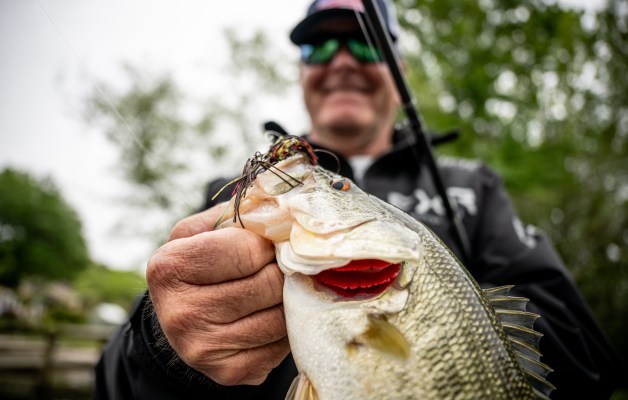
Sometimes it’s not possible to fully work through these issues outside of competition and you have to learn them on the fly. For example, the urchin came in hot and heavy during the 2026 season so I did what I could and worked to solve a problem. When Strike King came out with the Tumbleweed I felt I had the tool that I needed — I just needed to find the right rod, reel, line and hook. The best way to do that is go where you’ll get a lot of bites and figure it all out.
Even when you think you have things settled, it always pays to reexamine your setups. Ever since fluorocarbon came out it has been my go-to for cranking, but now that Seaguar reintroduced their Brawler monofilament I’m going to play around with that too. They’ve eliminated some of the drawbacks of older monos, and I think there’s a few ways I can make it work for me.
The great thing about bass fishing is you can never fully learn everything but there’s no reason to stop trying. Most problems or weaknesses can be fixed if you’re only willing to spend a little bit of extra time working on the water.