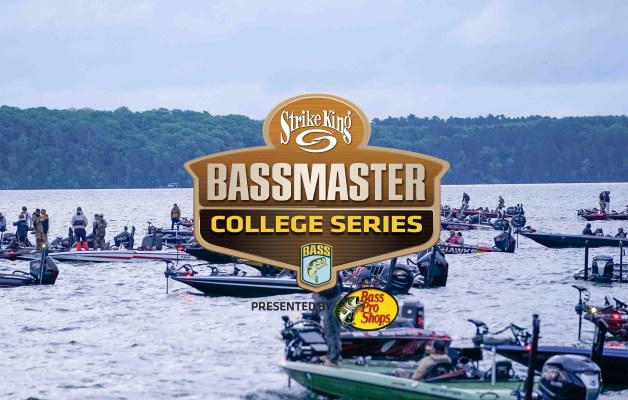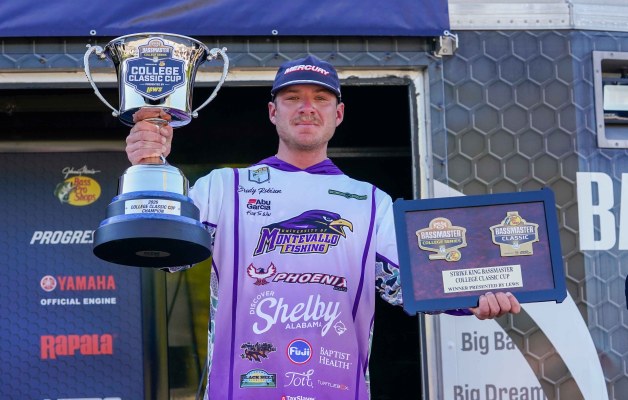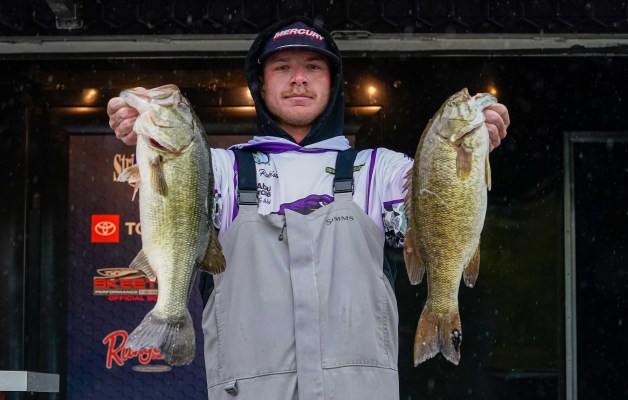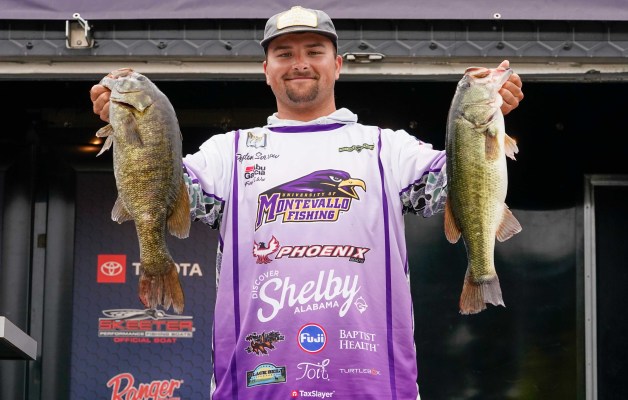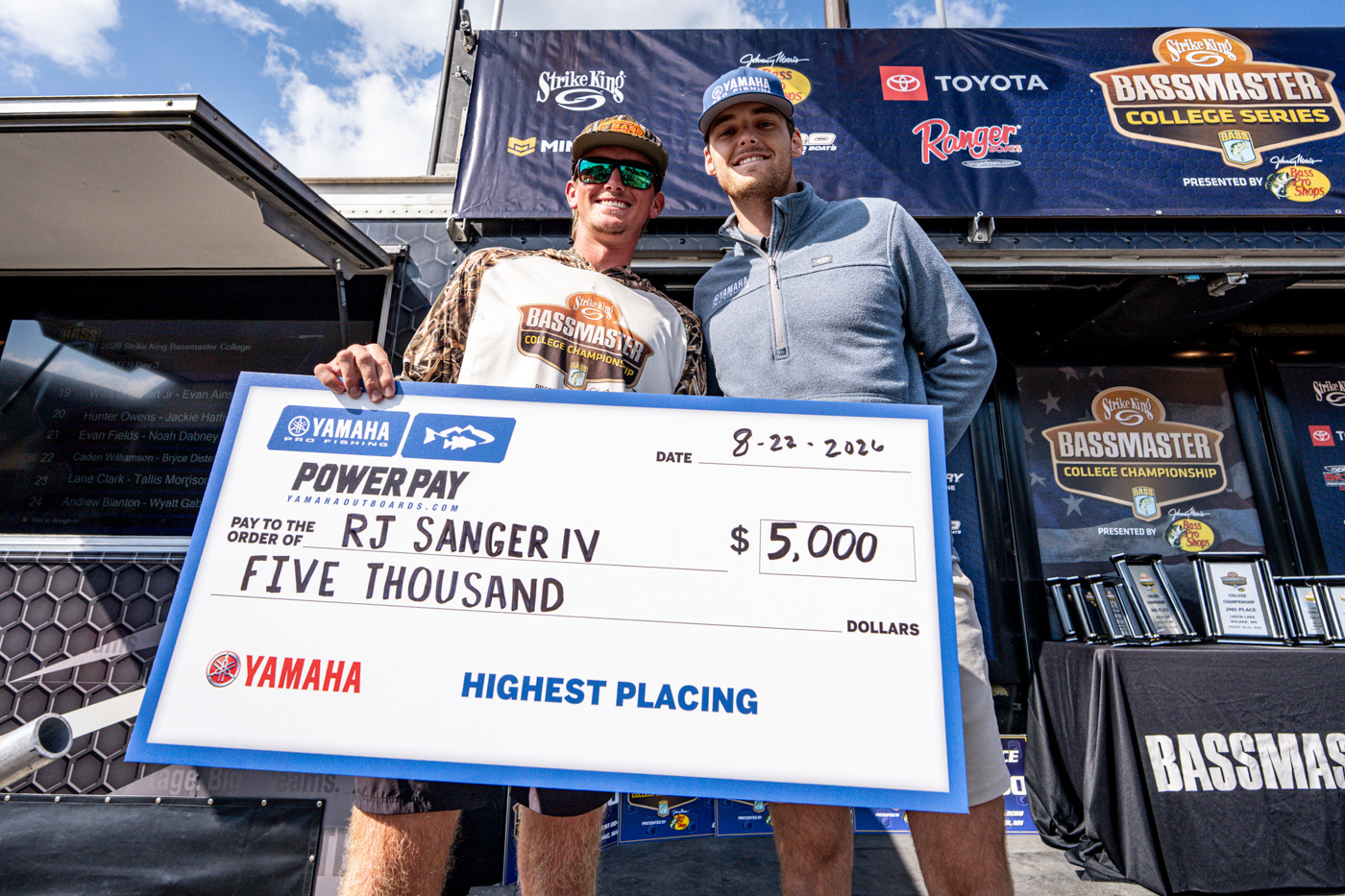

For college anglers, tournament fishing is often a balancing act between chasing a dream and figuring out how to pay for it. Entry fees, fuel, lodging and equipment can add up quickly, which makes every extra dollar earned on the water meaningful. For Florida angler RJ Sanger, a third-place finish at the Strike King Bassmaster® College National Championship on Leech Lake in Minnesota came with more than a strong showing against some of the best college anglers in the country. His finish also earned him an additional $5,000 through Yamaha Power Pay.
“This contingency program is like none other. Being able to win that is huge as a college angler. Sponsorships are hard to find, and money is tight to travel around and fish different places,” Sanger said.
Yamaha Power Pay is a contingency program designed to reward eligible Yamaha-powered anglers competing in hundreds of sanctioned tournaments across the country. The program reaches beyond the professional ranks, giving anglers competing at a variety of levels an opportunity to earn additional money based on their tournament finishes. For a college angler like Sanger, that additional payout can make a substantial difference as he continues to travel and compete.
Florida Fishing in Minnesota
Making the trip from Florida to northern Minnesota might sound like it would require a major adjustment in fishing style. Once Sanger began breaking down Leech Lake, however, he found something surprisingly familiar – vegetation. Sanger has spent countless hours fishing shallow vegetation in Florida and he quickly realized many of those same instincts applied more than 1,500 miles north of home.
“I was flipping shallow reeds and then I found a 10-foot-deep patch of hydrilla that the bass were absolutely stacked in. I primarily relied on punching soft-plastic baits.”
That discovery gave Sanger two different vegetation patterns to work. While the shallow reeds offered the type of visible cover he was accustomed to fishing back home, the deeper hydrilla provided another opportunity once he located concentrations of bass. Instead of abandoning what he knew, Sanger leaned into one of his strengths. He broke down the vegetation, identified the areas holding better concentrations of fish and put familiar techniques to work. The approach ultimately carried him all the way to third place on college fishing’s biggest stage.
Doing it Alone
There was another wrinkle to Sanger’s tournament that separated him from the rest of the anglers competing on the final day.
“I was the only angler in the Top 12 to fish alone. I process breaking down water a lot differently when I’m alone.”
Fishing without a partner meant every decision fell on Sanger. There was nobody else in the boat to suggest another area, notice a subtle change in the vegetation or talk through adjustments. For some anglers, that might create additional pressure. Instead, Sanger found a rhythm that allowed him to process the lake his own way. His ability to independently dissect Leech Lake became particularly important as he moved between shallow reeds and deeper hydrilla. Once he found the right vegetation, his Florida roots took over.
Identifying and reaching productive water is only part of tournament fishing. An angler also must depend on his equipment during long practice days and demanding tournament conditions. Sanger has developed that confidence in the Yamaha motor powering his boat.
“I’ve never had a single problem from my 2023 Yamaha,” Sanger said proudly. “When I turn the key, it cranks every single time.”
That reliability becomes particularly valuable when an angler travels across the country to compete. A mechanical issue hundreds of miles from home can derail an entire tournament before the first cast is ever made. Sanger’s Yamaha helped him focus on what mattered most: finding bass.
His third-place finish at the Bassmaster College National Championship was already a significant accomplishment. Adding another $5,000 through Yamaha Power Pay made the trip north even sweeter.
For a young angler trying to build a career in competitive bass fishing, contingency programs can turn a strong tournament finish into something that helps fund the next entry fee, the next tank of fuel and ultimately, the next opportunity. Sanger took what he learned fishing Florida vegetation, applied it to a fishery in northern Minnesota and proved that familiar fishing can sometimes be found a long way from home. Thanks to Yamaha Power Pay, that familiarity paid off.