On Halloween of 2017, Jillian Bolding watched her son, Alexander, come home from trick-or- treating wearing a red Lego ninja costume and throw up. Instantly, the Tulsa-area high school biology teacher knew something was wrong. The pool of vomit at the ninja’s feet was not induced by Skittles, Snickers bars or Starburst. Her motherly senses told her something more sinister was at play.
An immediate visit to a nearby children’s hospital netted a diagnosis of mononucleosis. But as weeks went by, Alexander showed few signs of improvement.
For weeks, the nauseous scene from Halloween repeated itself daily. As Thanksgiving arrived, Jillian found herself standing between her son and a doctor in an Oklahoma emergency room.
“She [the doctor] said they were going to do a CT scan just to make sure he didn’t have a brain tumor,” Jillian says. “I remember holding his hand as he was going into the CT scan and praying, ‘Jesus, don’t let this be it.’”
When the results came back, Jillian fell to her knees. Alexander’s scans were positive. A golf-ball-sized tumor had developed in the back of his brain. A flurry of questions followed, the most terrifying being the first. “‘Is he going to die?’ She said she didn’t know.”
In a hospital hallway, Jillian let out a scream, but no sound came out. Her terror turned to silence. Jillian remembers feeling like that moment was the first time God protected Alexander’s ears from hearing his mother scream — and she remembers the race to urgently find a path forward. In the following days, Alexander was rushed into a brain surgery that removed the solid tumor but revealed an even more serious threat. The tumor was a stage four medulloblastoma, a fast-growing brain cancer that had already spread to his spinal fluid.
Alexander had just been drafted into a community of approximately 15,780 children who are diagnosed with childhood cancer in the United States each year. The Bolding family’s battle was just beginning. His life hung in the balance of decisions made in the here and now.
Immediately, the resourceful mother began researching childhood cancer specialists. Late one night, as Alexander recovered from brain surgery, Jillian sent a desperate email to St. Jude Children’s Research Hospital in Memphis, Tenn.
Farm ponds with poppy
Cancer patient was a new identity for young Alexander. For most of his childhood, his identity revolved around his favorite pastime — fishing with his grandfather Jerry Compton.
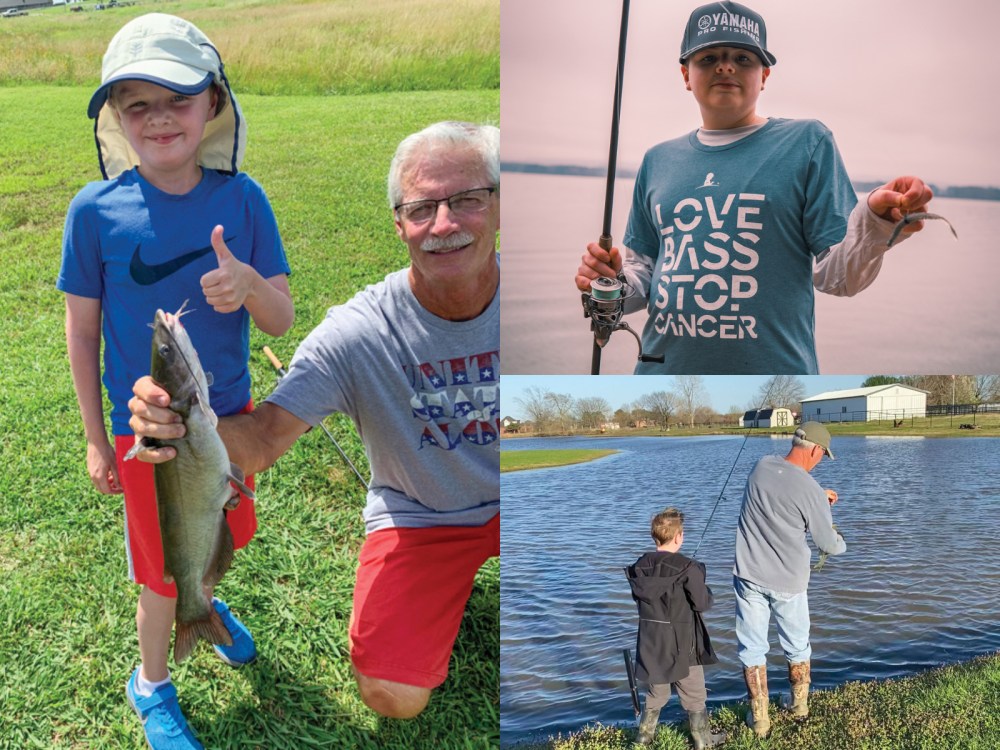
Together, the pair spent countless hours on the banks of Compton’s farm ponds in rural Oklahoma. Tucked beneath a grassy knoll dotted by oak trees and switchgrass, the backyard ponds were an idyllic refuge from the modern world where two generations of Oklahoma anglers could bond. For Alexander, that meant learning the inner workings of a push-button Zebco reel. For Compton — affectionately called Poppy — that meant updates on the latest plot twists of the Marvel Universe. The superheroes of Hollywood were a major influence on Alexander’s life, but his true hero was tying a fisherman’s knot at the end of a monofilament line.
Afternoons at the ponds often turned into evenings, ones where older members of Alexander’s family could watch their children and grandchildren grow up in real time, the months flying by in the reflection of sunsets in the shallow water.
After Alexander’s brain surgery, the ponds were one of the first places he wanted to go. And it was on their banks that an answer to Jillian’s prayers arrived one Saturday afternoon.
A doctor at St. Jude had responded.
“Poppy was outside fishing with him in one of their ponds when it happened,” Jillian says. “I got a phone call from Dr. Gajjar, and he told me he had already seen Alexander’s pathology. He said that he would like us to come to St. Jude and asked if we could be there on Monday.”
Dr. Gajjar meant Amar Gajjar, MD, the chair of St. Jude’s Department of Pediatric Medicine and a leader of the hospital’s neurobiology and brain tumor programs. Jillian’s post-surgery email had landed in the hands of one of the world’s leading specialists in childhood cancer.
Gajjar’s research specifically focuses on gaining a better understanding of medulloblastoma on a molecular level. It’s a field that encompasses roughly one-third of all childhood cancers, and one where Gajjar’s career has helped shape modern treatments. As fate would have it, the Oklahoma City hospital that removed Alexander’s tumor had already reached out to Gajjar for input during that process. In a sense, the doctor had already met Jillian’s son on a molecular level.
Jillian hung up the phone in her father’s kitchen, ran down to the ponds and told the family that they were moving to Memphis.
“I didn’t talk to my parents,” she remembers. “I didn’t go ask my husband. I just said, ‘This is what we are doing.’ It felt right.”
Magic in Memphis
The city that birthed rock ’n’ roll, built a home for the blues and gave the bass fishing world Bill Dance sits on the eastern shores of the Mississippi River about 400 miles from Tulsa. A six-hour drive lined with semitrucks and farm fields lies between.
Geographically, Memphis is a part of Tennessee. Culturally, however, Memphis is its own empire that reaches into the surrounding fields of Mississippi, Arkansas and the western fringes of the Volunteer State. There are no mountains in Memphis, and cowboy hats are few and far between. The Academy Award-winning blockbuster Sinners takes its visual cues from the delta empire around this river city. It’s a gritty, misunderstood city with a muddled reputation. But for the Bolding family, the land of Sinners was the home of saints.
Less than 48 hours after Jillian’s phone call with Dr. Gajjar, mother and
son found themselves on the campus of St. Jude Children’s Research Hospital, within sight of the Mississippi River.
The sprawling St. Jude compound occupies most of the northern end of downtown Memphis. It’s a complex of rose-painted research buildings and hospital towers about half a mile from the riverbank. Founded in 1962 by entertainer Amos Muzyad Yaqoob Kairouz — the Michigan-born son of Lebanese immigrants better known by his stage name, Danny Thomas — St. Jude is one of the world’s leading research centers for childhood cancer and other diseases. Its grounds are home to gene therapy research, pediatric neuroscience initiatives, sickle-cell disease treatment programs and technologies that sound more at home in a Lucasfilm script than on the shores of the Mississippi River.
Patients never receive a bill for treatment from St. Jude. The operation is funded primarily by donations and grants to the American Lebanese Syrian Associated Charities, or ALSAC.
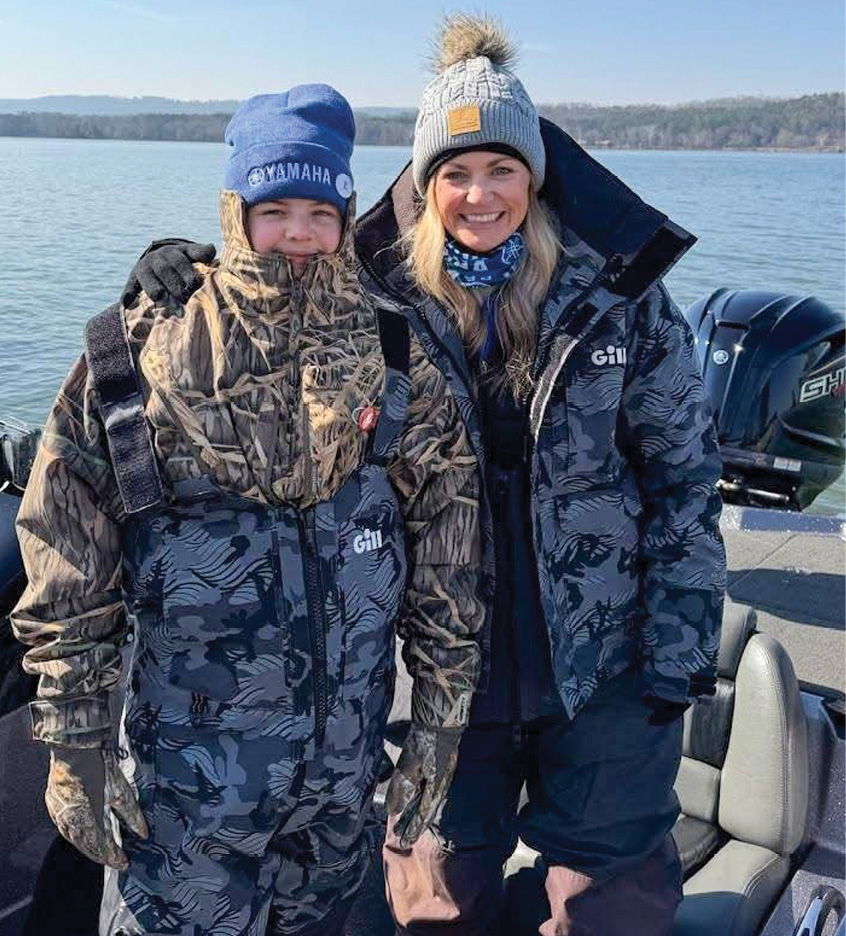
“The day we stepped foot on campus, it was like I could breathe for the first time,” says Jillian. “It was like the Holy Spirit walked through those doors, and I just had to let go and let God [handle it]. I knew that Alexander was in the best place in the world, and I knew that it was going to be OK.”

Alexander immediately underwent onsite evaluations at St. Jude that Dr. Gajjar was able to distill into a treatment plan. First, the young fisherman would need 30 days of proton radiation therapy, a specialized procedure that destroys cancer cells by damaging their DNA and impeding their ability to grow. Pediatric proton radiation therapy is only available in a handful of locations in the United States. It’s a delicate procedure that requires sedation, absolute stillness and a series of tattoos used to align the equipment.
After proton therapy, Alexander proceeded to a seven-month regimen of chemotherapy, with side effects ranging from nausea to diarrhea to temporary hair loss.
Turning the tides
Jillian Bolding was so moved by her family’s experience in Memphis that she changed career paths. After more than a decade in education, the former high school biology teacher joined ALSAC as an area development advisor in Oklahoma. She now raises awareness full-time for St. Jude and handles fundraising in memory of the friends Alexander made at St. Jude who did not win their battles with cancer.
The treatment plan was the only way to fight back against the cancer swiftly spreading through Alexander’s body. And that plan meant adopting a second home in Memphis.
The mother and son duo moved into complimentary housing provided by St. Jude in the $200 million Crosstown Concourse building, about 10 minutes from campus. There, they made friends with an entire floor of other St. Jude families. They went on fishing trips to Shelby Farms Park, a Central Park-like urban oasis, wandered the boardwalk at Lichterman Nature Center and came face-to-face with pandas at the Memphis Zoo. They met players from the NBA’s Memphis Grizzlies, built Lego bricks with future President Joe Biden and enjoyed an endless supply of fruity popsicles at a Mempops stand in the atrium of Crosstown Concourse.
“We loved it there,” says Jillian. “That’s where we made our best friends. Everyone who lived on that floor inside of Crosstown Concourse became family. Every day, we would go to St. Jude, even if we didn’t have chemo that day. We might have physical therapy or speech therapy or school. Think of it as an all-inclusive resort for your kid’s healthcare.”
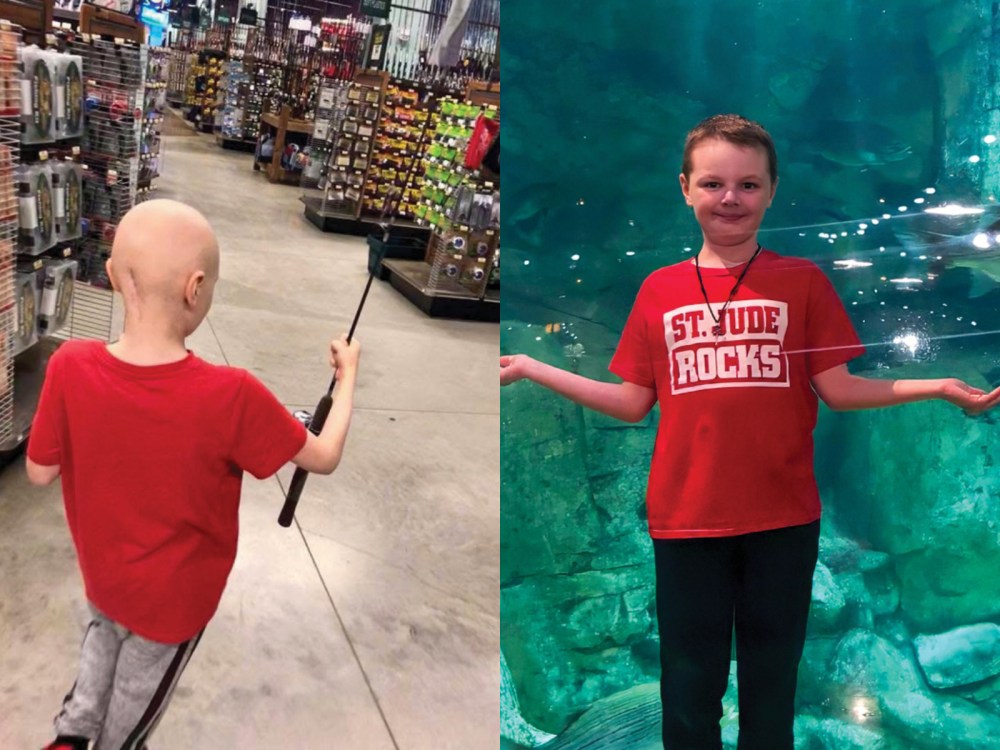
On good days, Alexander might earn a trip to Bass Pro Shops at the Pyramid for an indoor fishing adventure. On bad days, when his white blood cell count was too low to be outside, Alexander would go fishing on a Nintendo Switch. And every few weeks, Alexander’s father, David, and little sister, Brynlee, would make the trip over from Tulsa to visit for several nights.
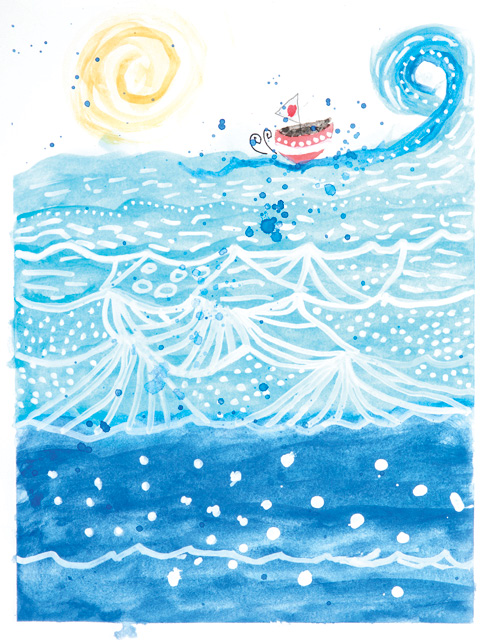
“Mentally, he was the happiest kid I have ever seen,” says Jillian. “I think he grew to love everyone at St. Jude. Even through the depths of chemo and treatment — the throwing up and having to insert a gastrointestinal tube through his stomach — he was just joyful. We had fun, and that’s hard to explain to people that haven’t been there.”
Alexander says he remembers spending three seasons in Memphis. He remembers watching winter turn to spring. He remembers nurses rolling him to a window to watch Fourth of July fireworks over the river. And, he remembers the celebration after his final chemo treatment, not far from his birthday in August — the hospital party filled with Nerf blasters.
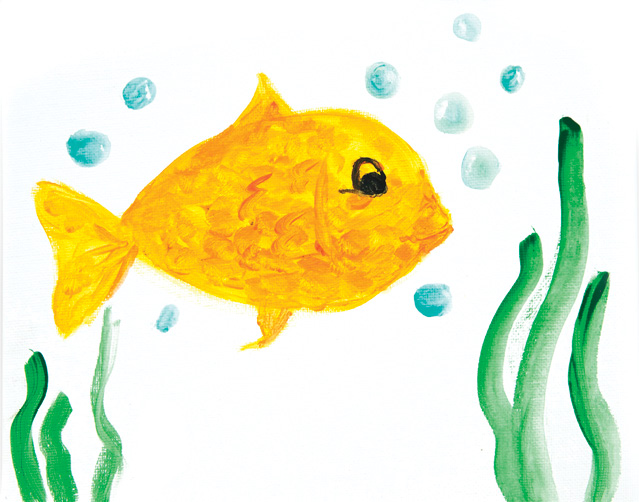
“All of his nurses, doctors, therapists, teachers and friends were there,” says Jillian. “All of his battle buddies showed up.”
A worthy cause for all
A bronze statue of St. Jude Thaddeus stands at a busy crossroads within the research hospital’s campus. Its imagery paints a portrait of the apostle, the Catholic saint of lost causes, releasing birds of hope and peace into the world.
Despite an arsenal of high-tech resources, hope is still the tool that is most needed at St. Jude. Families often arrive at the hospital after exhausting all other options. And though the hospital’s work has helped increase the domestic survival rate of childhood cancer from 20% in 1962 to more than 80% today, some patients never make it to their next birthday party.
In the years since St. Jude was founded, real progress has been made. But the fight against cancer is still raging. According to the National Cancer Institute, approximately 1,600 children still die of cancer each year in the United States. Globally, an estimated 400,000 children develop cancer each year, according to the World Health Organization. And in low- and middle-income countries, less than 30% of those children are cured.
Research studies from the treatments conducted at St. Jude extend beyond international borders. Many cancer treatments developed in Memphis become protocol in nonresearch hospitals on every inhabited continent. By 2030, St. Jude hopes to expand its reach to bring hope to more children across the developing world by providing them with access to the same treatments available at its home base.
But today, the need for public support to fund the fight against childhood cancer is dire. In 2025, the federal government attempted to impose a cap on indirect cost reimbursements for National Institutes of Health (NIH) research grants that would have hit the American medical research community hard. The changes could have impacted thousands of grants and researchers — including at St. Jude — and billions of dollars in support had a federal court not blocked the move.
In June 2026, Science.org reported that despite the court’s ruling, NIH was awarding about 25% fewer grants than it did from 2021 to 2024. Meanwhile, the White House continues to pursue restructuring at NIH that could reduce the number of new biomedical research grants awarded by thousands.
Childhood cancer research has historically benefited from bipartisan support. St. Jude has received donations and support from parties as disparate as The Eric Trump Foundation (now known as Curetivity), Hillary Clinton, Al Gore, George Bush and Elon Musk. Corporations like Apple, Best Buy, Target and Domino’s Pizza have all contributed to funding childhood cancer research.
Cancer doesn’t care who you vote for.
However, according to Memphis City Councilwoman and Tennessee gubernatorial candidate Jerri Green, the St. Jude budget was cut by $150 million in the wake of federal policy changes in 2025. Grass-roots fundraising efforts, it seems, are now more pivotal than ever at St. Jude. Fortunately, few communities do grass-roots better than the bass fishing family.
Love bass, stop cancer
750 miles upstream from Memphis, the Mississippi River has been home to a remarkable bass fishing spectacle for 28 years. Every summer, around 400 anglers raise donation money and make the trip to Wabasha, Minn., to fish the Dick Hiley Bass Classic. Teams raise donation dollars to enter, compete for cash payouts up to $25,000 and vie to raise the most money for St. Jude.
This year, the Dick Hiley Bass Classic reeled in $1.377 million in donations. The tournament has raised more than $10 million since 1999 and, according to St. Jude Sr. Development Advisor Gretchen Simon, most recently served as an inspiration for a brand-new campaign that has placed Alexander on the biggest stage in the bass fishing world.
This year, B.A.S.S., Yamaha and Skeeter worked together with St. Jude to launch the Love Bass, Stop Cancer campaign at the 2026 Bass Pro Shops Bassmaster Classic presented by Under Armour. The idea is simple: Rally the 500,000 B.A.S.S. members and the millions of additional bass anglers in the U.S. to raise money for lifesaving treatments at St. Jude.
“Our hope is to unite the sport of bass fishing for the battle against cancer,” says Simon. In other words: If 400 anglers can raise $1.3 million, imagine the power of millions.
At its core, Love Bass, Stop Cancer is a simple program. For $19 per month, anglers sign up to become a St. Jude partner in hope. The annual donation comes with a Love Bass, Stop Cancer T-shirt, a token thank you for contributing to a worthy cause. The program is a mirror of country music’s popular This Shirt Saves Lives campaign that’s been promoted by the likes of Darius Rucker, Luke Bryan, Lady A and Jelly Roll.
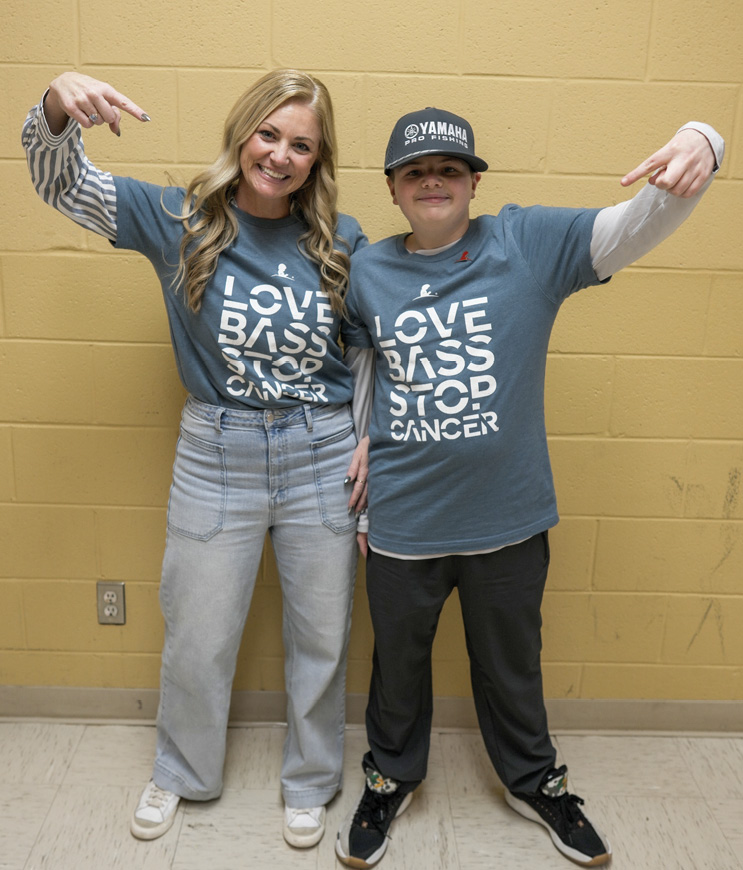
“You’re not just buying a T-shirt,” adds Simon. “You’re impacting a family. You’re impacting a kid. You’re giving people hope when they need it most.”
Every campaign, Simon says, needs a flag bearer. Rather than leaning on the stars of Nashville, this grass-roots effort is leaning on the kind of champions found at boat ramps across the country.
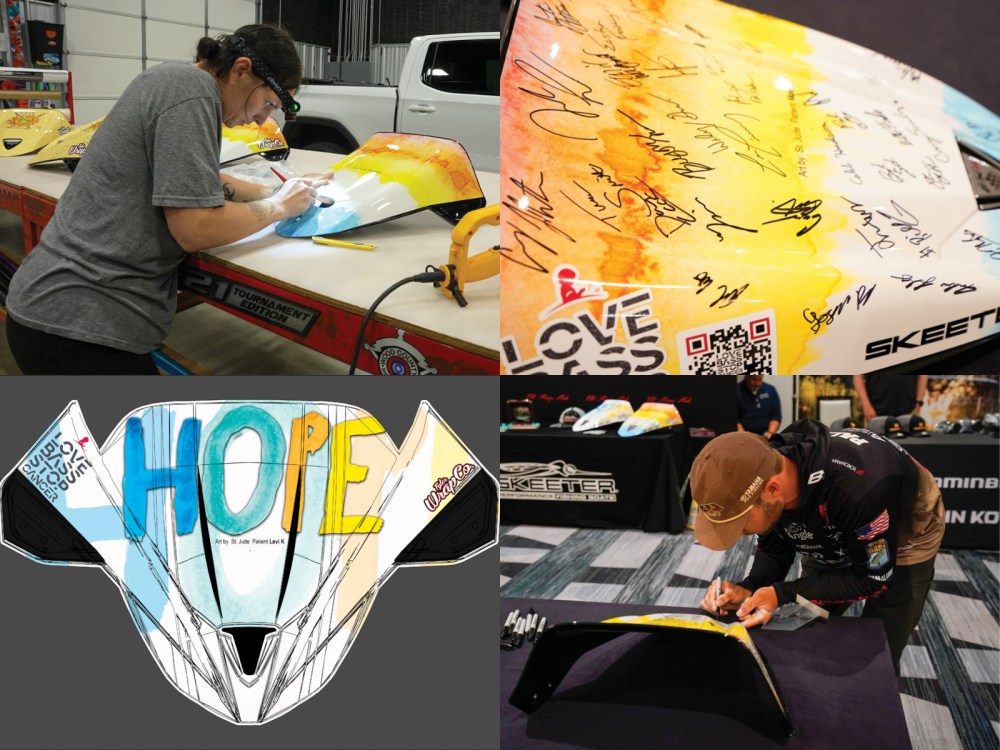
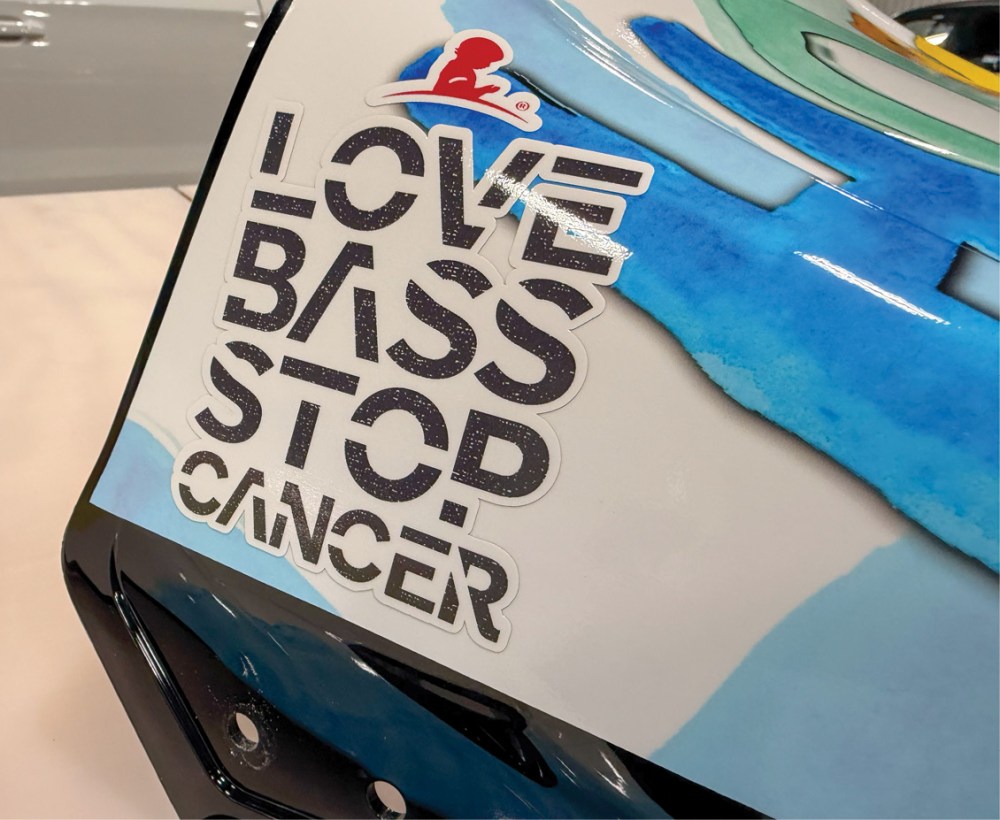
Love Bass, Stop Cancer officially debuted at the 2026 Bassmaster Classic. Yamaha and Skeeter chipped in custom windshields for Classic-qualified Skeeter-Yamaha pros’ boats, each featuring artwork by St. Jude patients. The windshields were then signed by Classic contenders. Two others were signed by fans. Some of the windshields have already been auctioned to raise money for St. Jude. Combined with funds raised at the 32nd Annual Skeeter Owners Tournament, several thousand dollars have already been donated. The rest of the windshields will likewise be used for fundraising.
Also at the Classic, Tulsa, Okla., chipped in one of its most passionate young bass anglers — honorary Memphian and childhood cancer survivor Alexander.
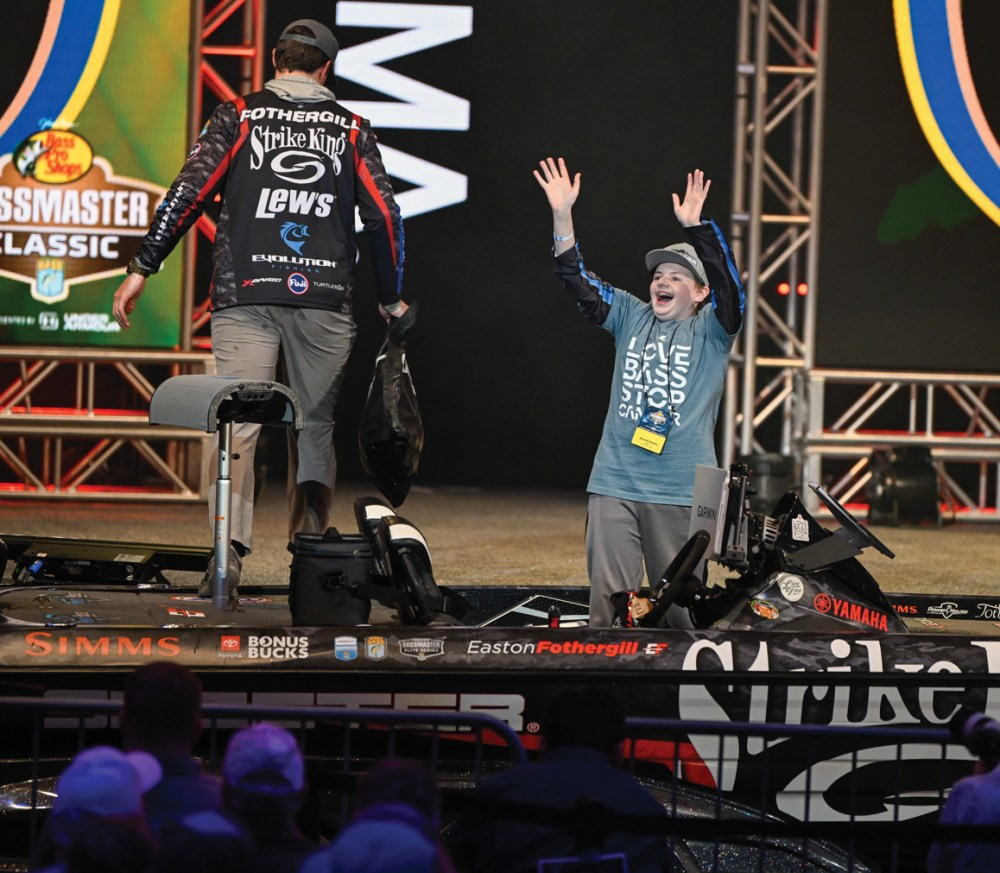
In March 2026 — nearly eight years after completing chemotherapy — Alexander found himself at the epicenter of the bass fishing universe. He was sitting beside defending Bassmaster Classic champion Easton Fothergill, being towed through the arena at the Classic Day 2 weigh-in in Knoxville, Tenn. Riding beside Fothergill, the first flag bearer for Love Bass, Stop Cancer soaked in the crowd and waved to a community that he hopes will help save more young anglers like him.
Somewhere in rural Oklahoma, Alexander’s old fishing partner Poppy was watching on TV, smiling from ear to ear and waiting for one more golden afternoon together at the ponds.
Get your love bass, stop cancer tee

September is Childhood Cancer Awareness Month. In support of all the families battling pediatric cancer, we encourage you to consider making a financial donation in support of cancer research and care. To support Love Bass, Stop Cancer, scan the QR code or visit stjude.org/yamaha.
Originally appeared in Bassmaster Magazine 2026.